
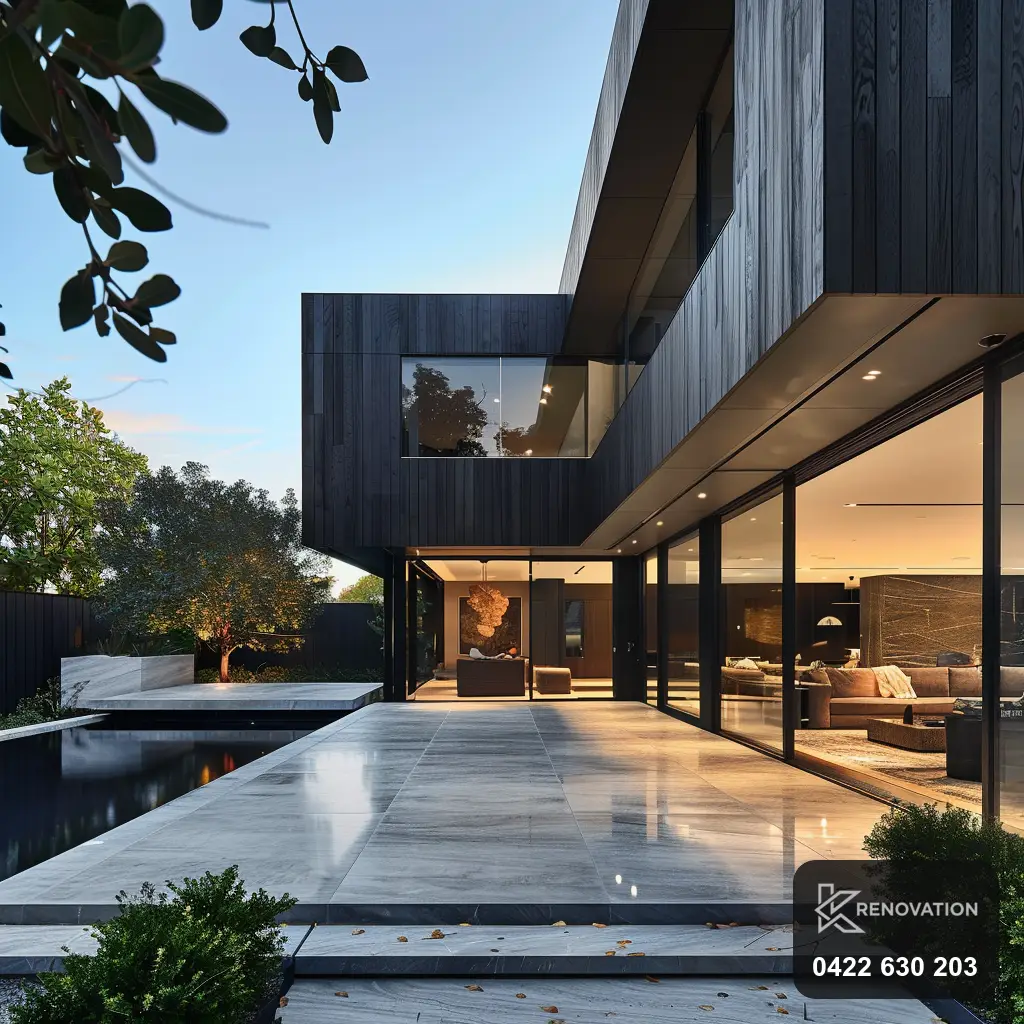
How Much Does a Home Renovation Cost in Melbourne’s West?
A straight-talking price guide for western-suburbs homeowners — the real brackets, where every dollar goes, and how to spend smarter without cutting corners.
The honest range: $35,000 to $200,000+
Ask three builders what a home renovation costs and you will get three different numbers — usually because nobody wants to commit to one. So here it is, plainly. Across Melbourne’s west, a proper home renovation almost always lands somewhere between $35,000 and $200,000, and where you sit inside that comes down to how much of the house you touch.
A single-room refresh — a new kitchen or bathroom with fresh paint and flooring — starts around $35,000. A full multi-room renovation that reworks the layout, kitchen, bathrooms and living sits in the low-to-mid $100,000s. Add a ground-floor or second-storey extension and you are past $180,000 and climbing with the size of the addition.
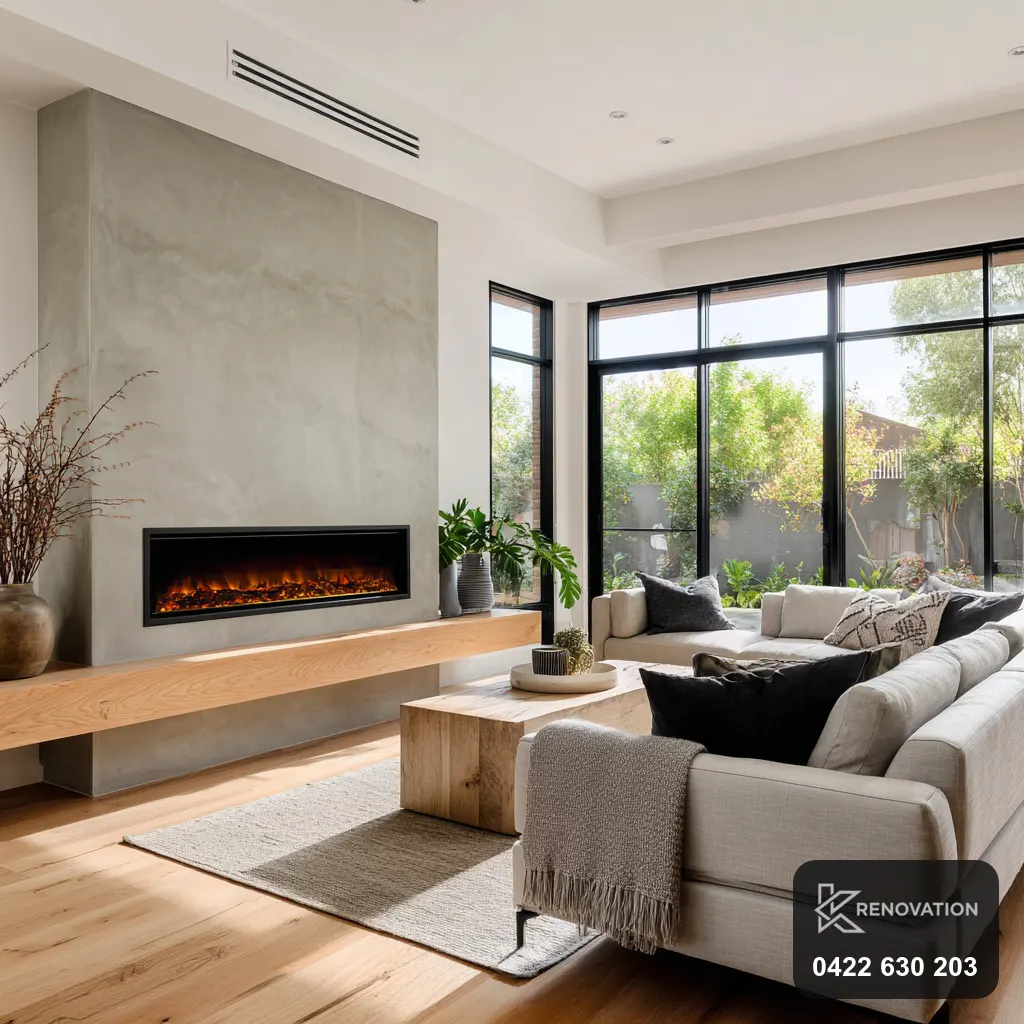
Where you land comes down to four levers: the size of the renovation, how much the structure and layout changes, the finishes you choose, and the services — plumbing, electrical and the surprises an older western-suburbs home likes to hide. Pull those up or down and the price moves with them.
The honest version: most western-suburbs families spend around $110,000 on a full-home renovation they are genuinely proud of.
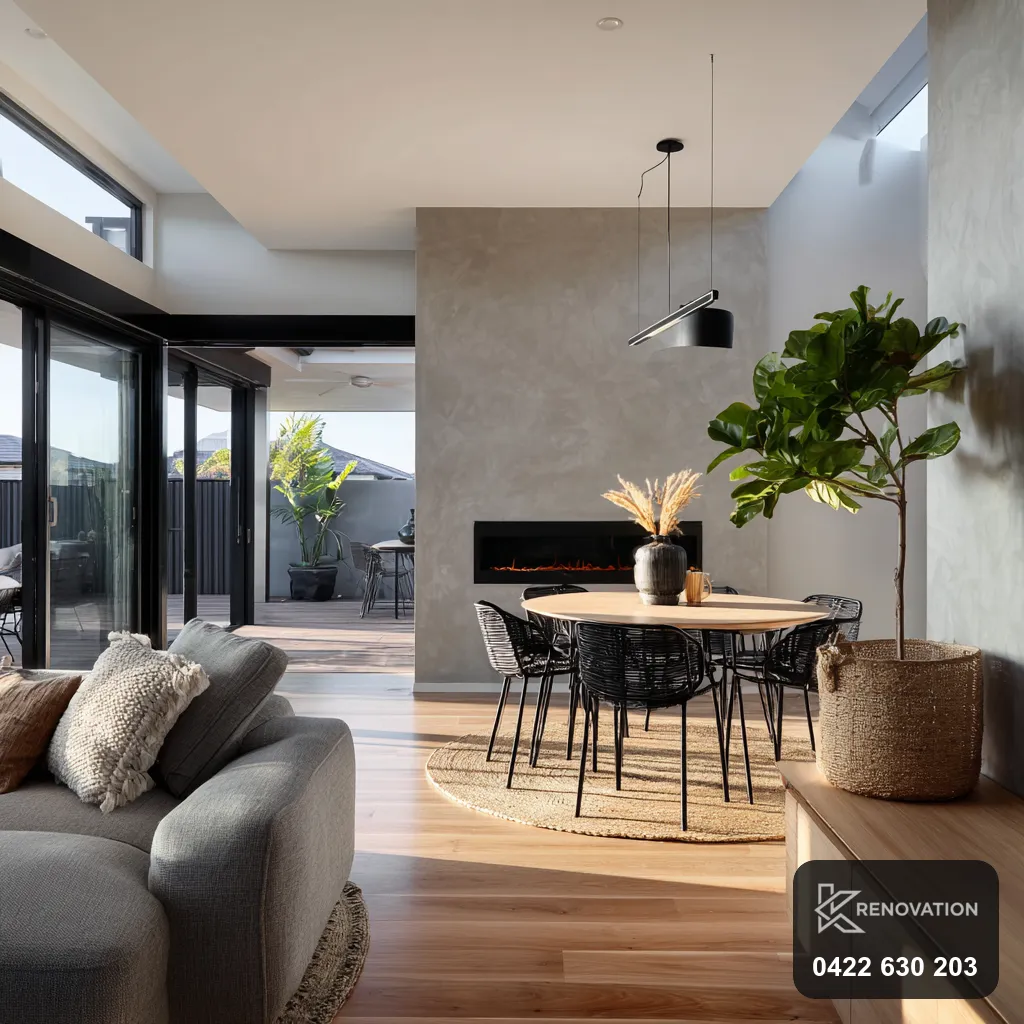
Three renovation worlds — and what each one buys
Rather than one fuzzy average, it helps to think in three brackets. Almost every renovation we deliver across the west falls into one of them. Here is what your money buys at each level — the scope, the rooms, and the kind of home it usually suits.
A new kitchen or bathroom, fresh flooring and paint, and updated lighting — keeping the existing layout and services where they are. The fastest way to lift a tired home without major building works.
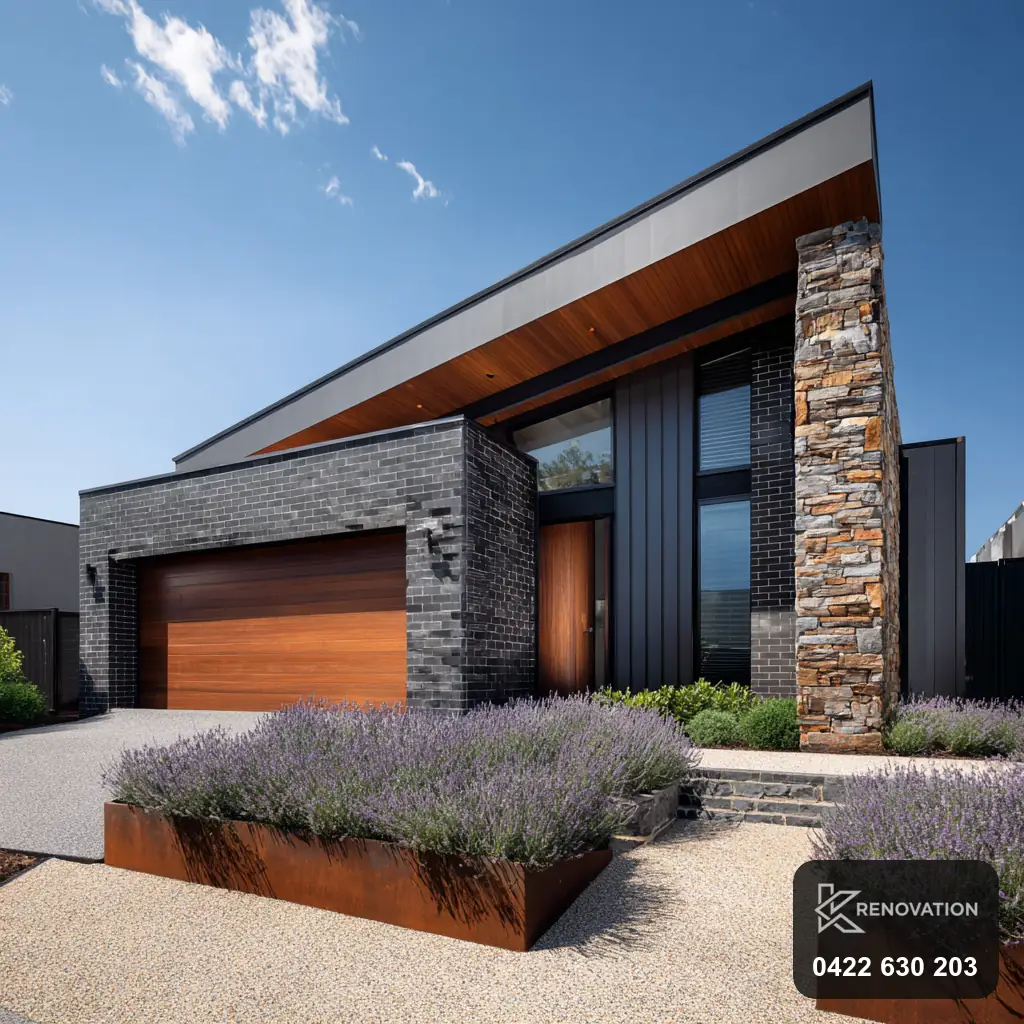
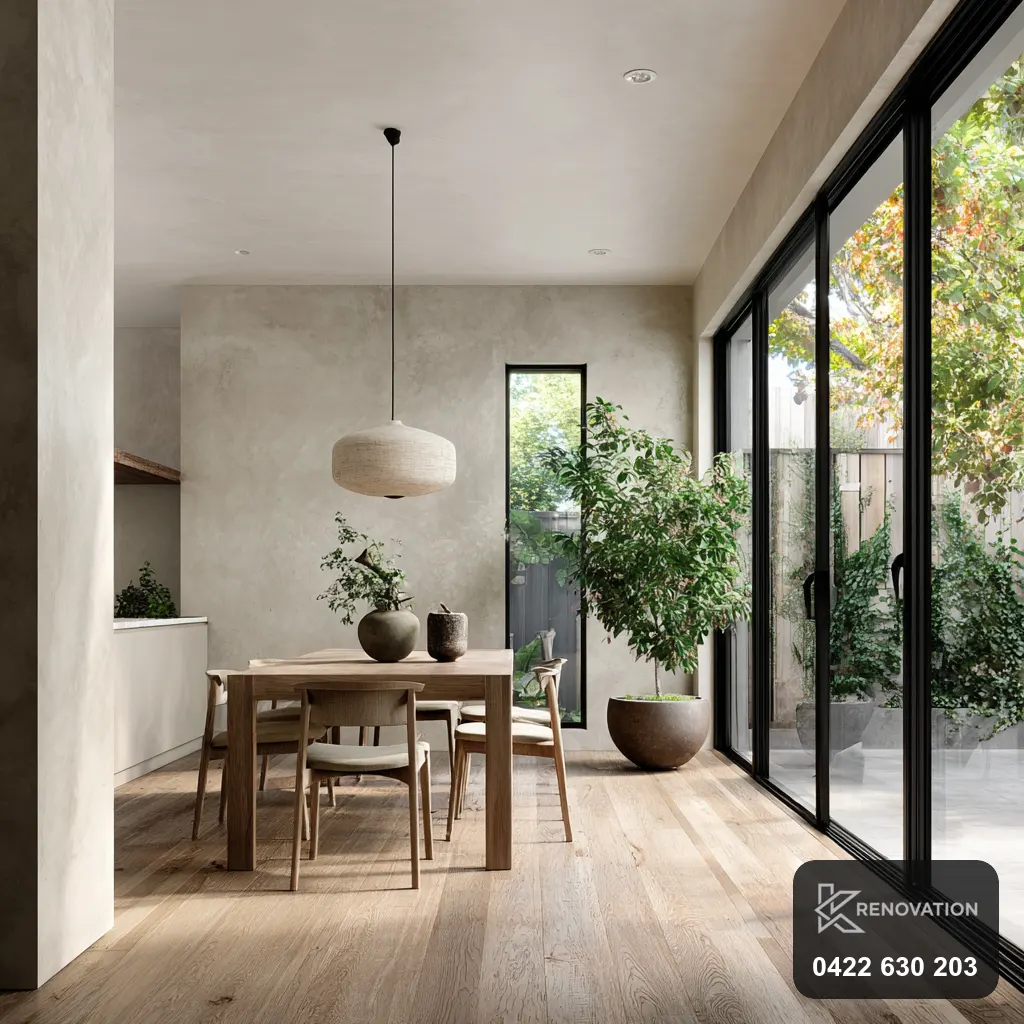
The bracket most western-suburbs families choose. Multiple rooms reworked, an open-plan kitchen and living, new bathrooms, fresh services and flooring throughout — one coordinated build that transforms the whole home.
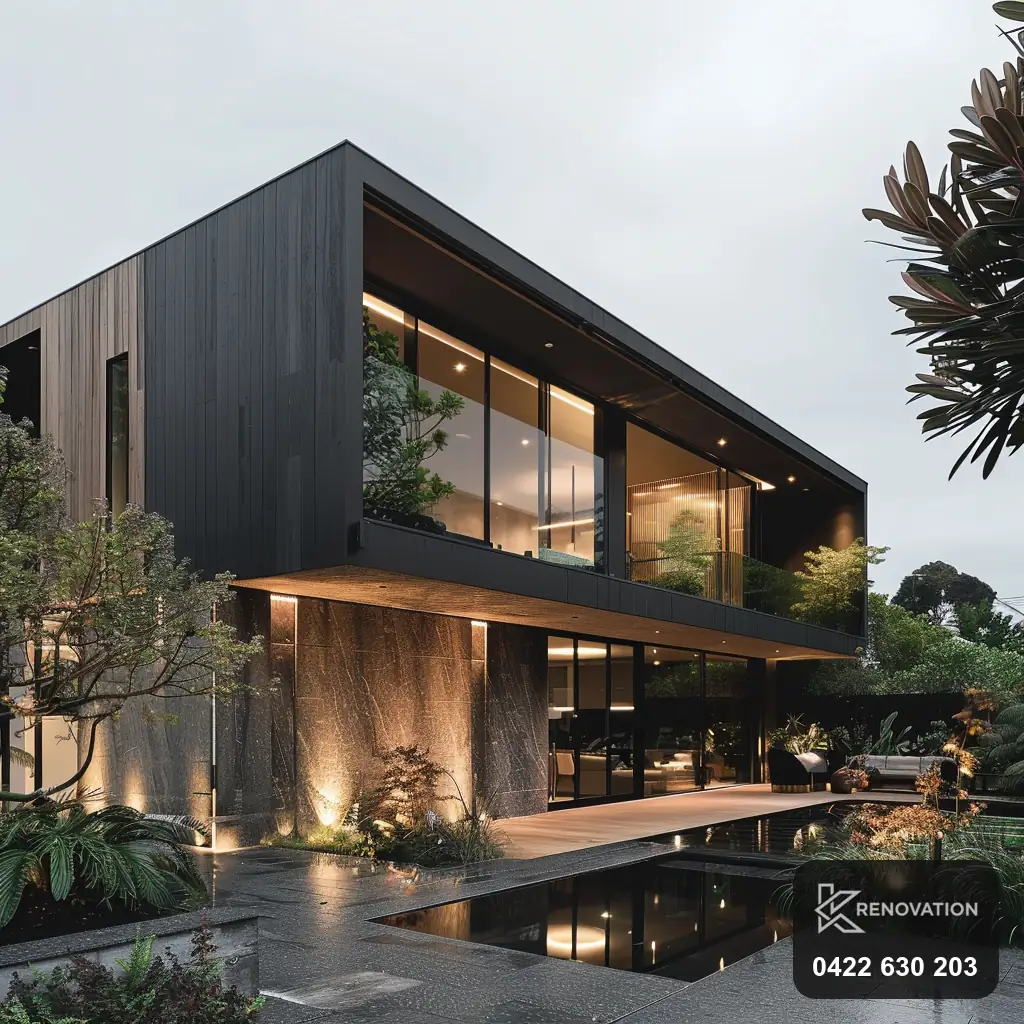
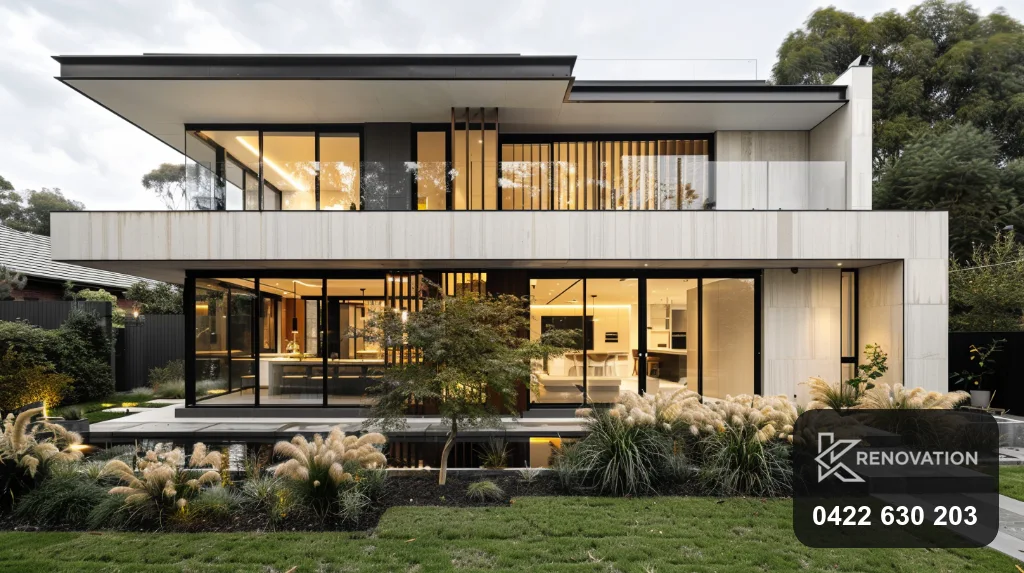
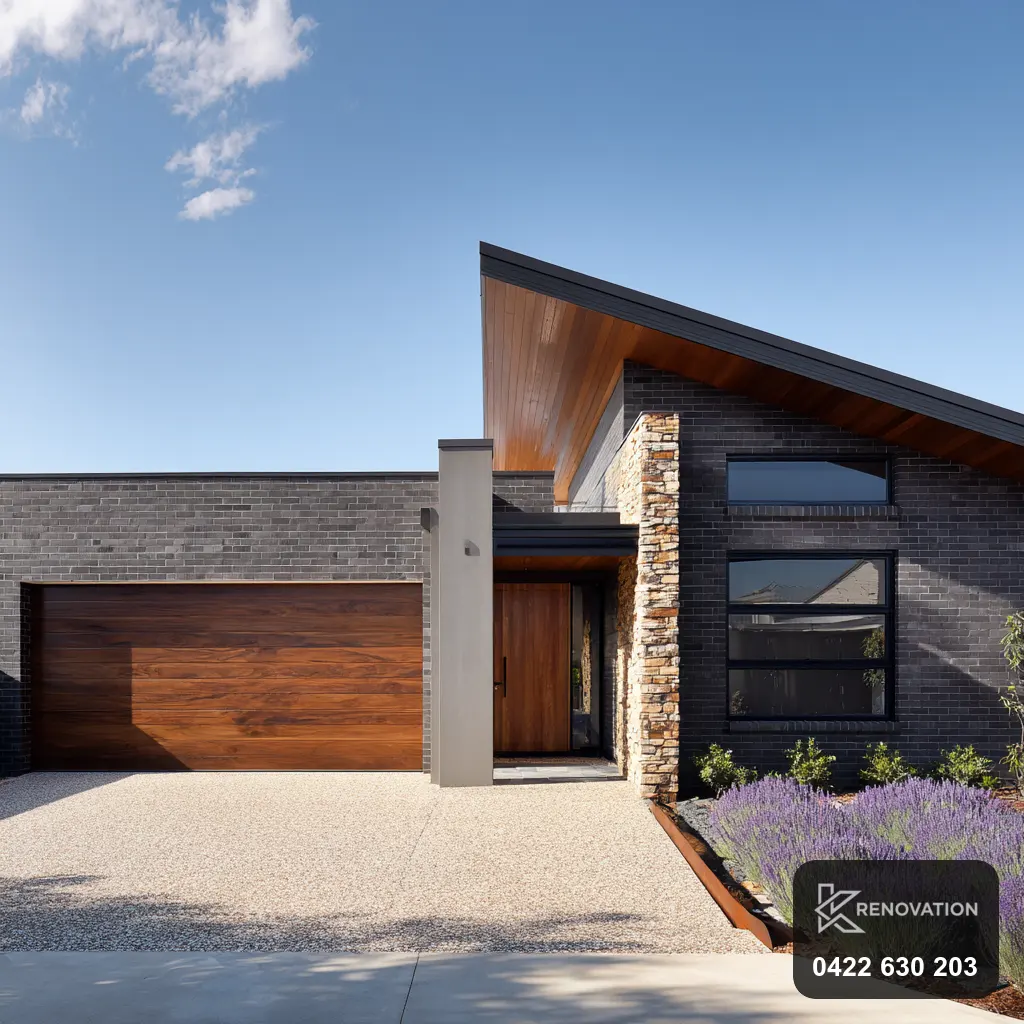
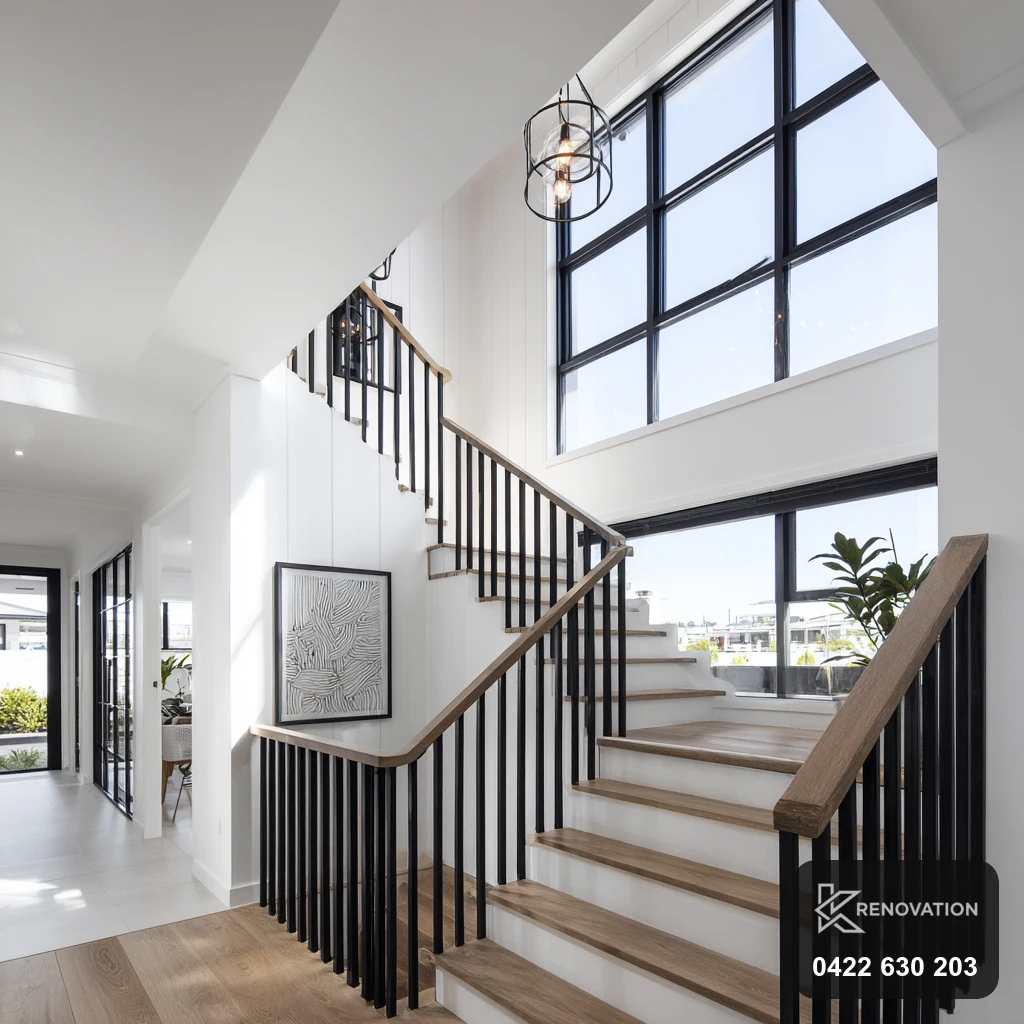
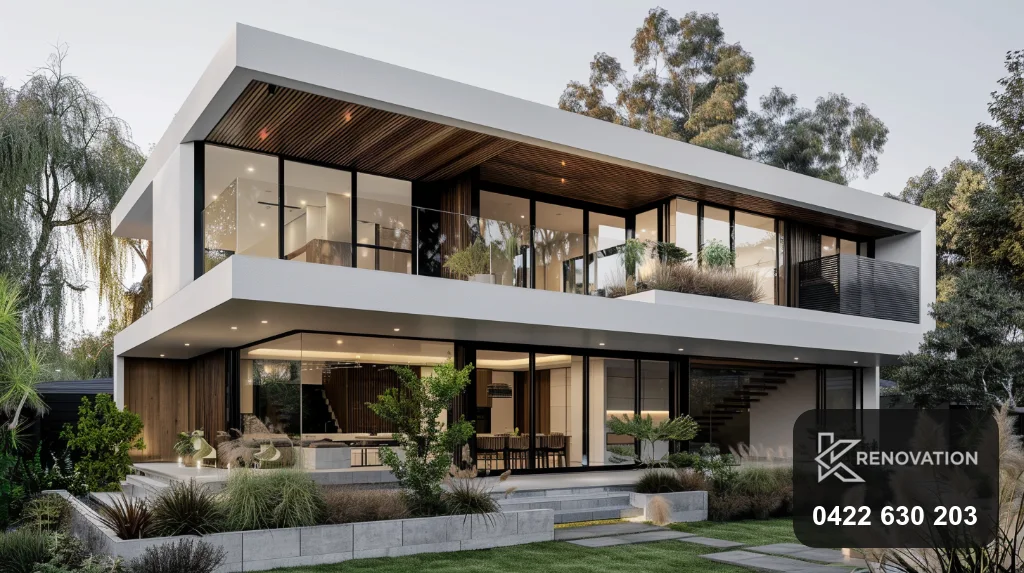
A whole-home transformation with real extra space — a ground-floor or second-storey extension, a structural re-plan, designer kitchen and ensuites, and a refreshed facade. The ceiling here is whatever the brief calls for.
Most people are surprised by how much of the jump from entry to mid is structure and services rather than finishes. Opening up a closed floor plan, re-wiring an old home and moving plumbing does more for daily life than any single luxury fitting — and it is where the real cost lives.
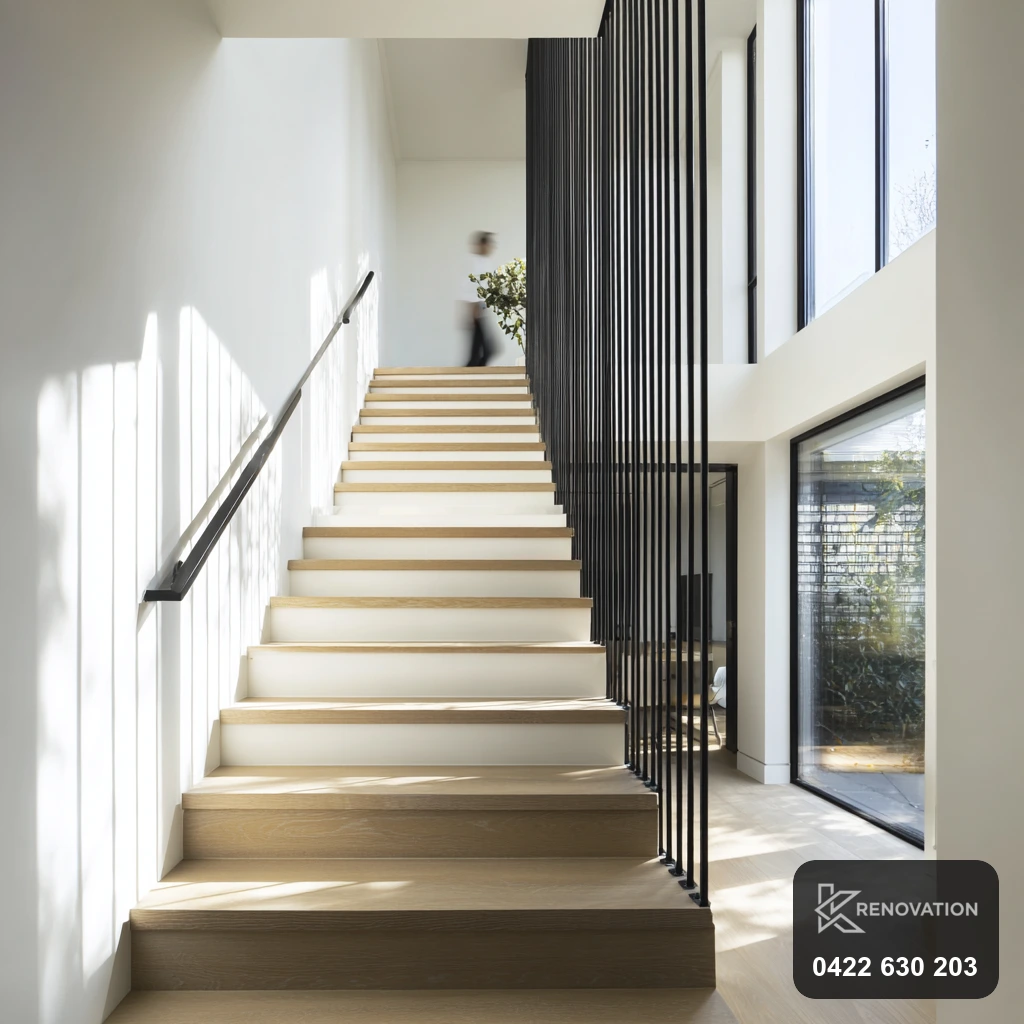
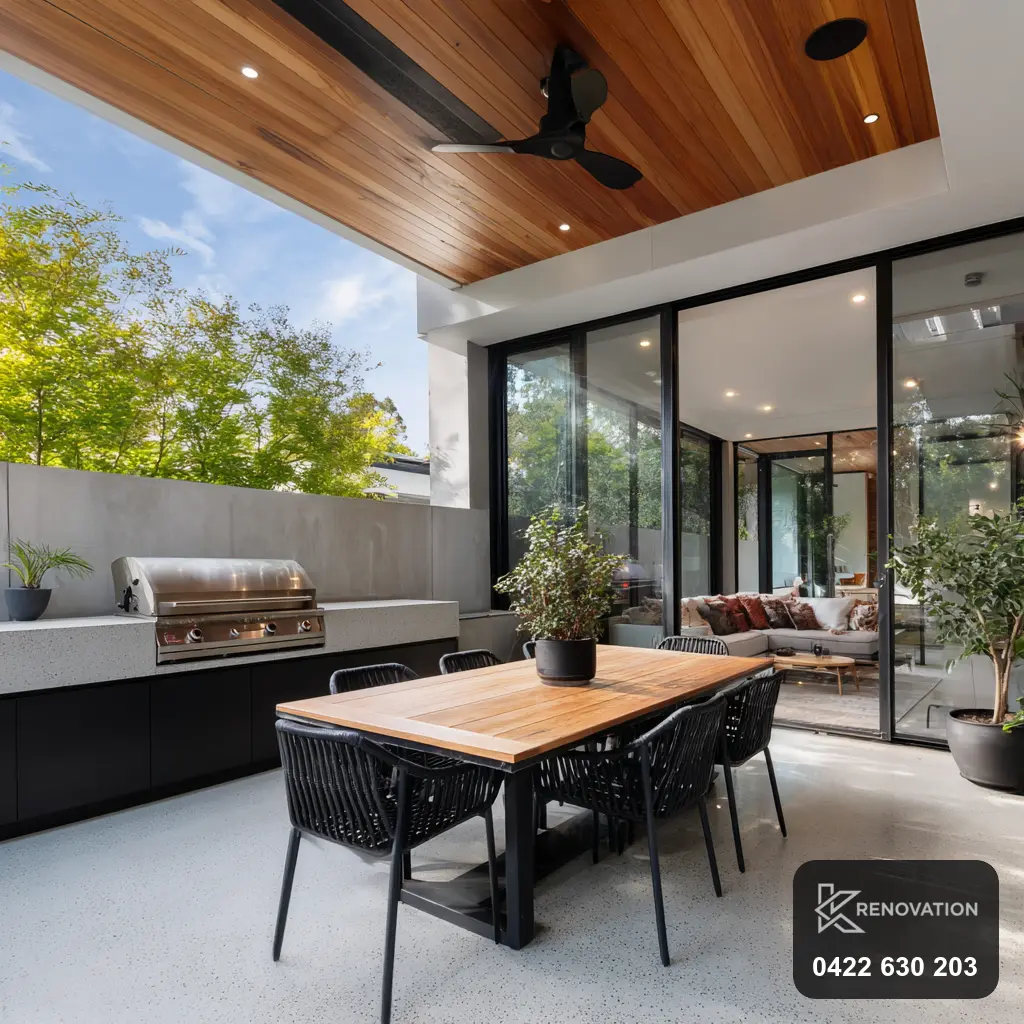
The six levers that decide your final number
Two renovations of the same size can be tens of thousands apart. Almost all of that gap comes down to six choices. Understand these and you can steer the budget yourself instead of being surprised by the quote.
- Size and how many rooms. Every extra room adds trades, materials and time. A whole-home renovation costs more for the simple reason that there is more of it to build.
- Structural and layout changes. Keeping walls where they are is cheap. Removing load-bearing walls, opening up the plan or adding an extension brings in engineers and structural work — usually worth it, but the biggest single swing in any quote.
- Services behind the walls. Older western-suburbs homes often need re-wiring, new plumbing and updated stormwater. It is invisible when finished, but it protects everything you build on top of it.
- Finish level. Builder-grade, mid-range and designer finishes climb in that order. The surfaces you touch every day — benchtops, tapware, joinery — are where premium spend is most felt.
- Kitchens and bathrooms. These two rooms carry the most trades and the most expensive fittings, so they drive a large share of any renovation budget. Spend here is rarely wasted.
- Fixtures, joinery and appliances. Custom joinery, integrated appliances and feature lighting are wonderful and largely optional. Decide early how far you want to take them.
A $110,000 renovation, broken down dollar by dollar
It is easy to picture the whole budget vanishing into shiny benchtops, but the biggest slice is always the structure, trades and labour that hold the home together. Here is roughly how a typical mid-bracket full-home renovation splits.
Notice that nearly a third of the budget is structure and trades. That is exactly why a cosmetic makeover and a true renovation can look similar in a photo and feel worlds apart to live in — the value lives in the parts you cannot see in a picture.
Choosing finishes without overspending
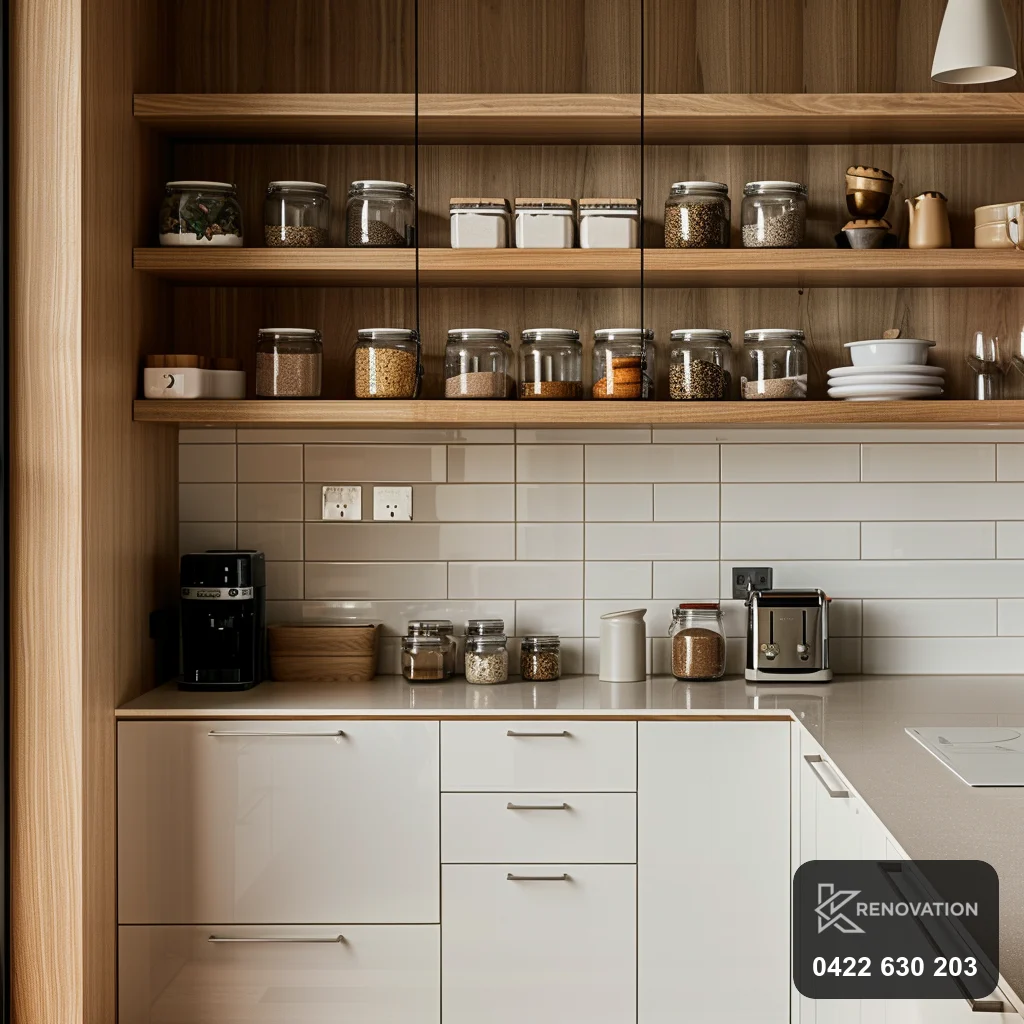
You do not need the most expensive material in every room. The trick is spending where it shows and saving where it does not. A natural-stone island and a luxe main bathroom, paired with hard-wearing finishes in the laundry and bedrooms, gives you the premium feel for far less than going top-shelf everywhere.
One important 2026 note for the Australian market: engineered high-silica stone has been phased out on safety grounds, so the premium benchtop conversation has shifted to natural stone and porcelain. Both are beautiful, durable and entirely safe to work with — and porcelain in particular has become a favourite for its slim profile and heat resistance.
Renovate or knock down and rebuild?
It is the question every western-suburbs owner of an older home asks. A renovation and a knock-down-rebuild can even land in a similar ballpark — but they are very different journeys, and for most homes with good bones, renovating wins on cost, time and character.
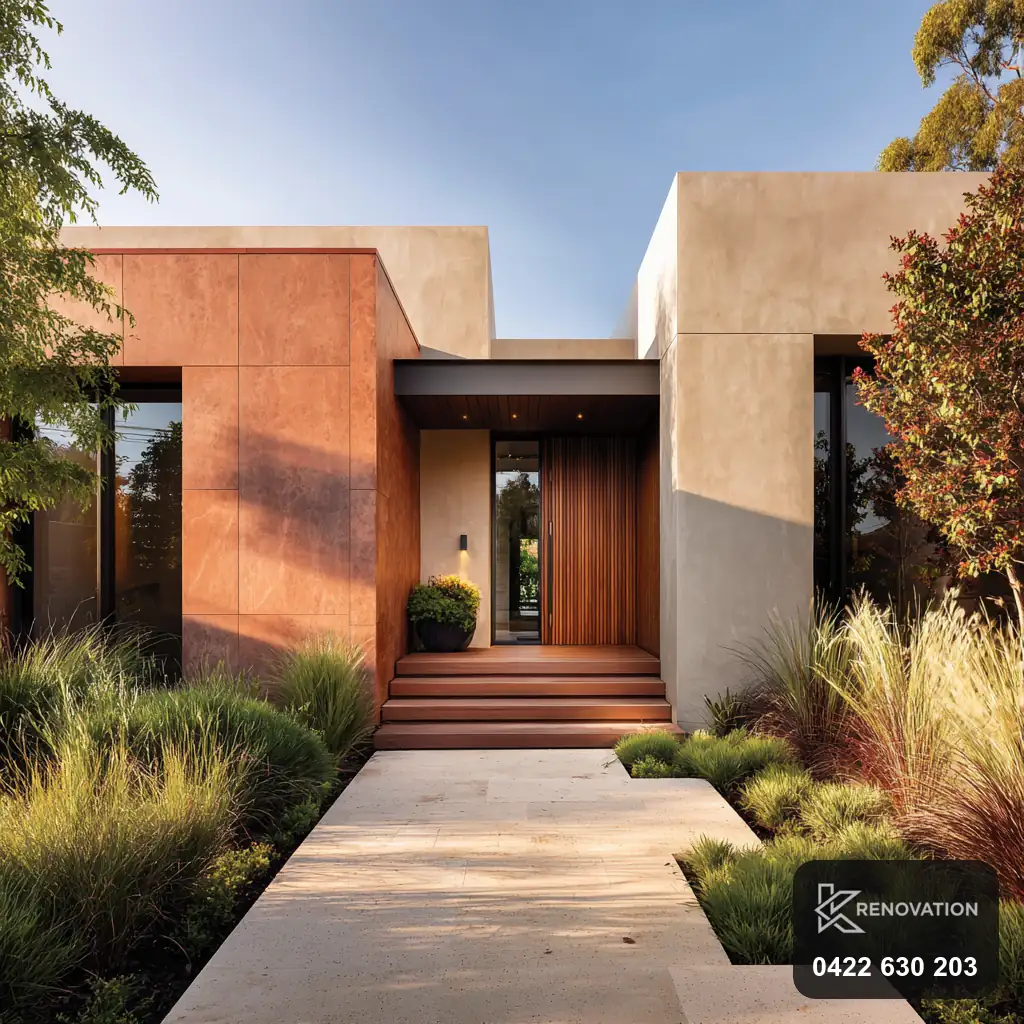
Renovate
Keep the good, transform the rest
- Keeps the character and the established street appeal
- Generally faster and less costly than a full rebuild
- Often simpler approvals — you keep the existing footprint
- Less waste and you can sometimes stay living in part of the home
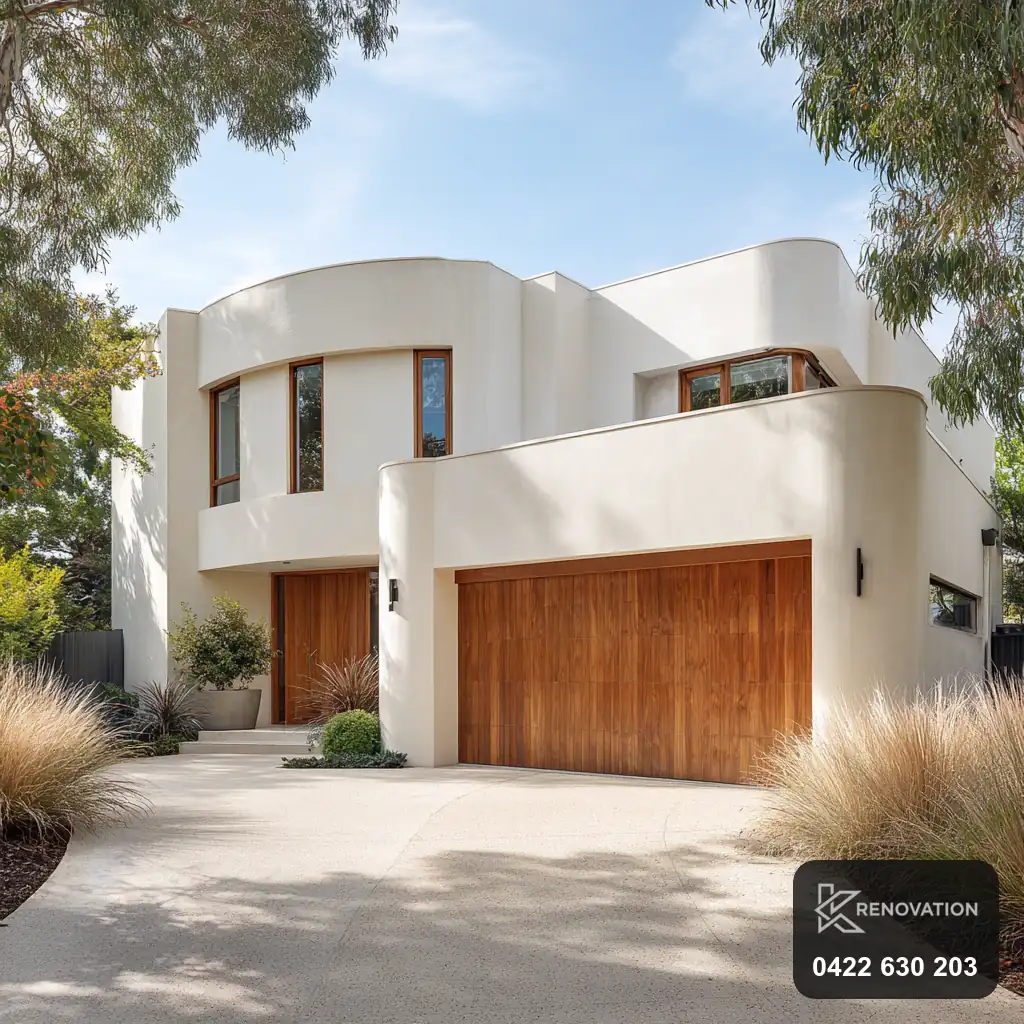
Knock-Down-Rebuild
A blank slate — at a price
- Total freedom over the new floor plan
- Demolition, longer timelines and rental costs while you wait
- More involved planning and approvals from the ground up
- You lose the existing character for good
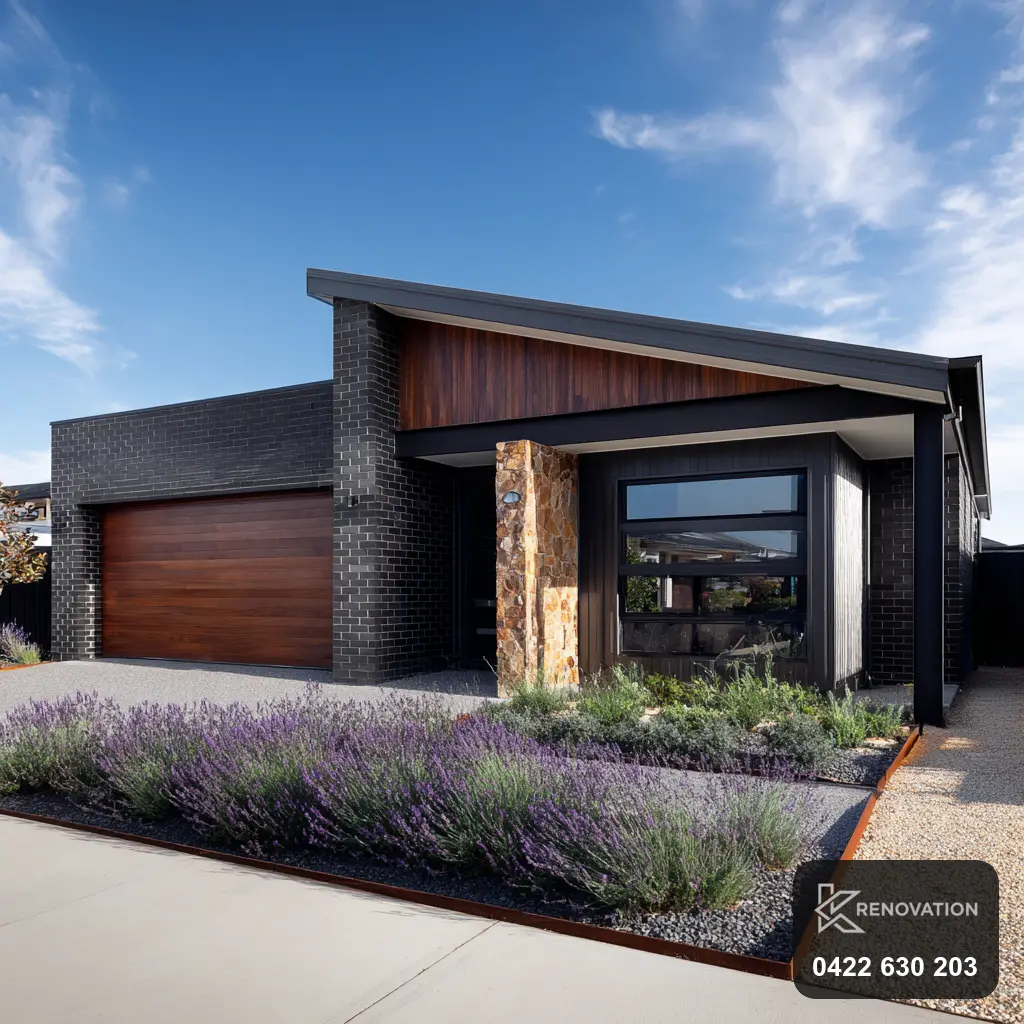
Want a real number for your renovation?
The brackets above are a guide. The only way to know your figure is an on-site consultation and a proper design chat — no obligation, no pressure, and a fixed written quote so there are no surprises later.
Four ways to get more renovation for your money
Saving money on a renovation is not about buying the cheapest version of everything — that just costs you again in five years. It is about spending in the right places. These four moves save real money without making the home feel cut-price.
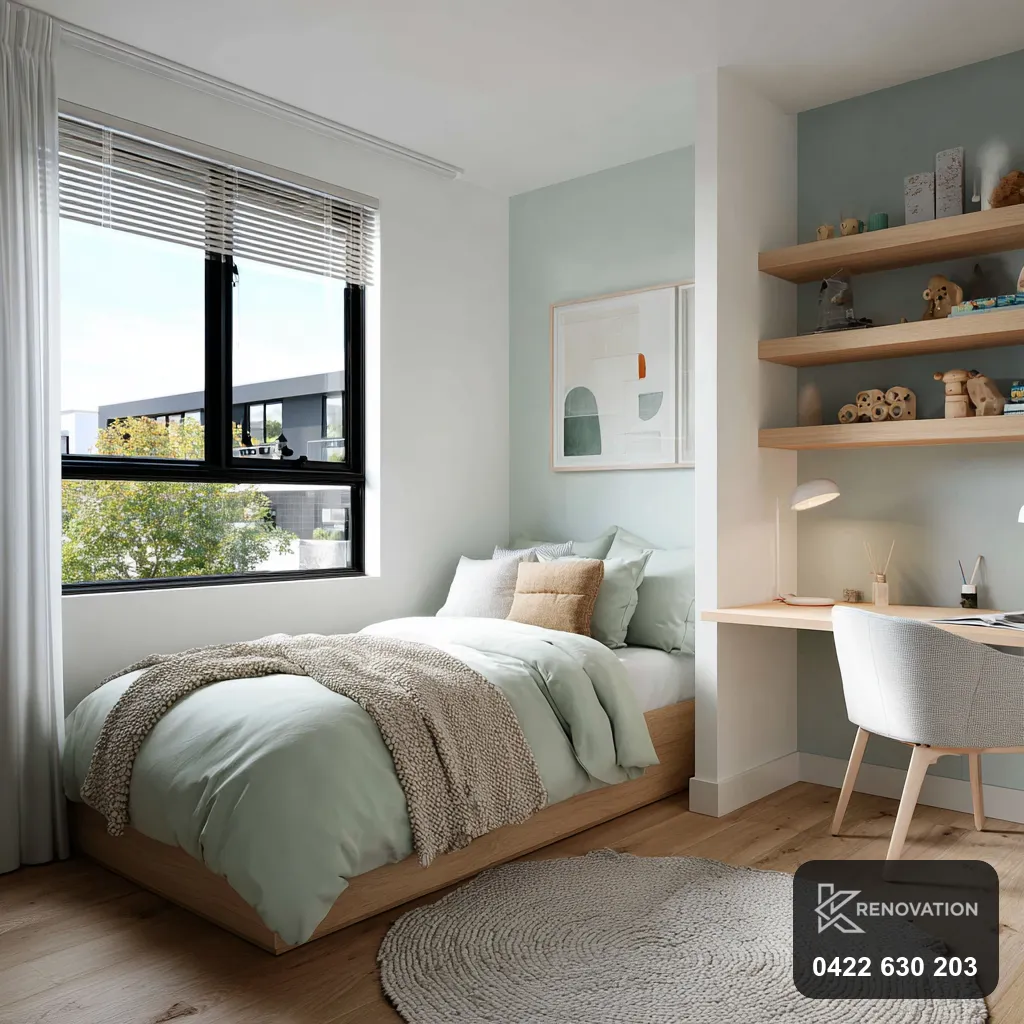
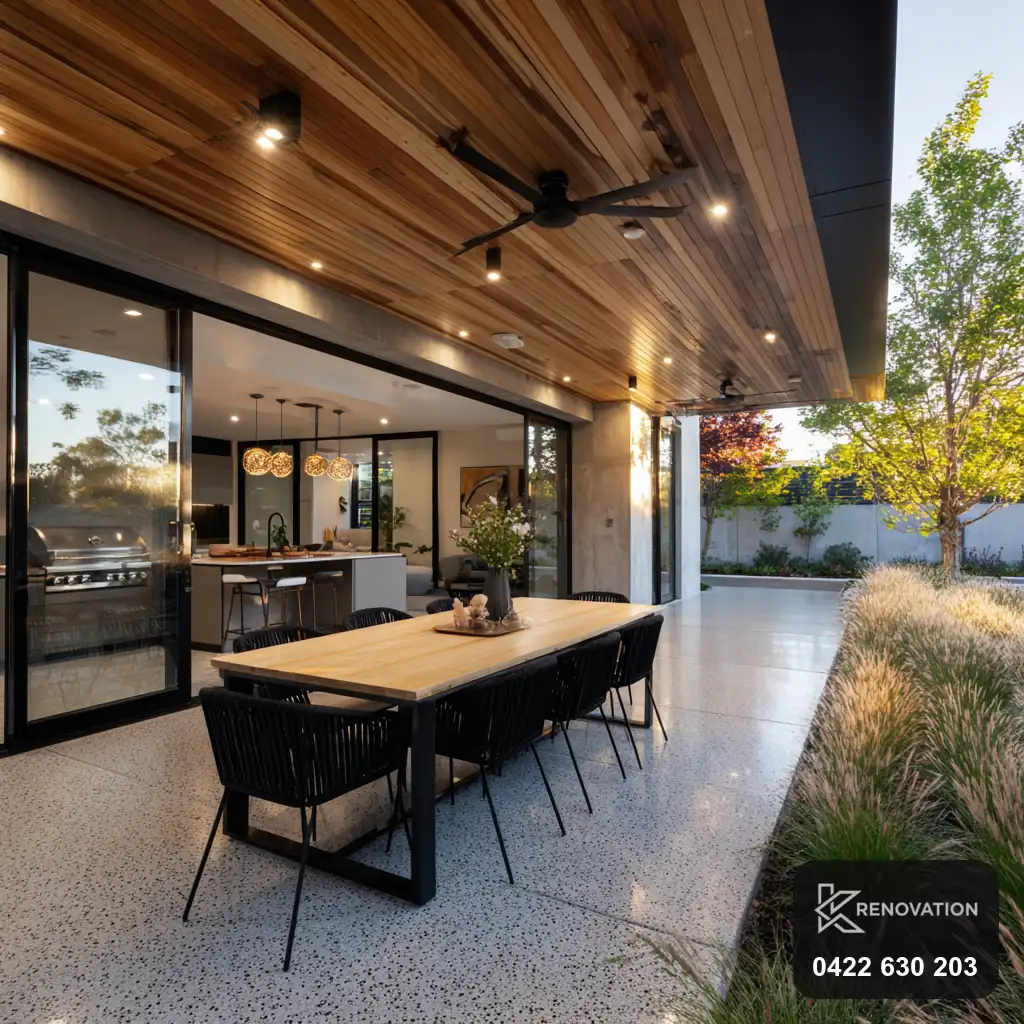
Spend where you live
Put the budget into the kitchen, bathrooms and living areas you use every day, and keep bedrooms and secondary spaces simple. The rooms you stand in deserve the spend.
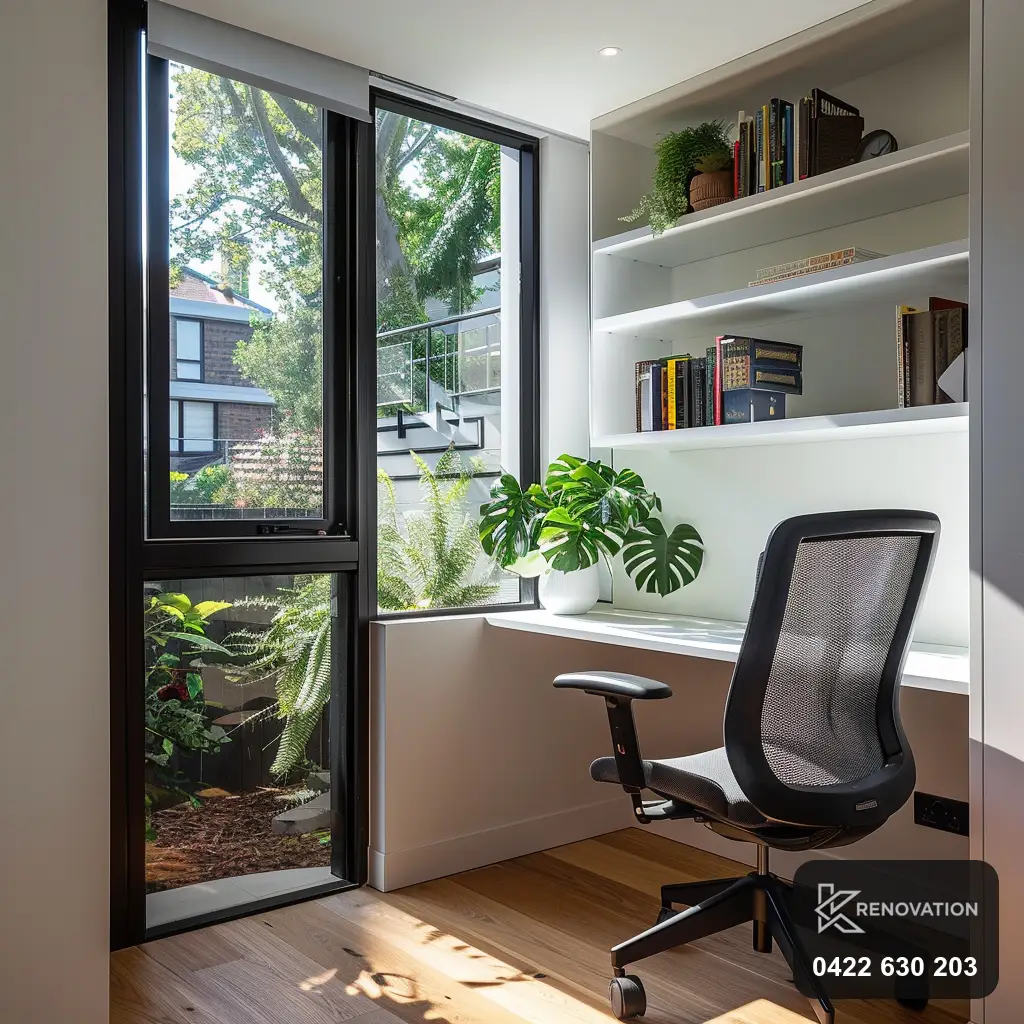
Keep services where you can
Leaving kitchens, bathrooms and laundries near their existing plumbing and power avoids relocating services — one of the quietest ways to save several thousand dollars.
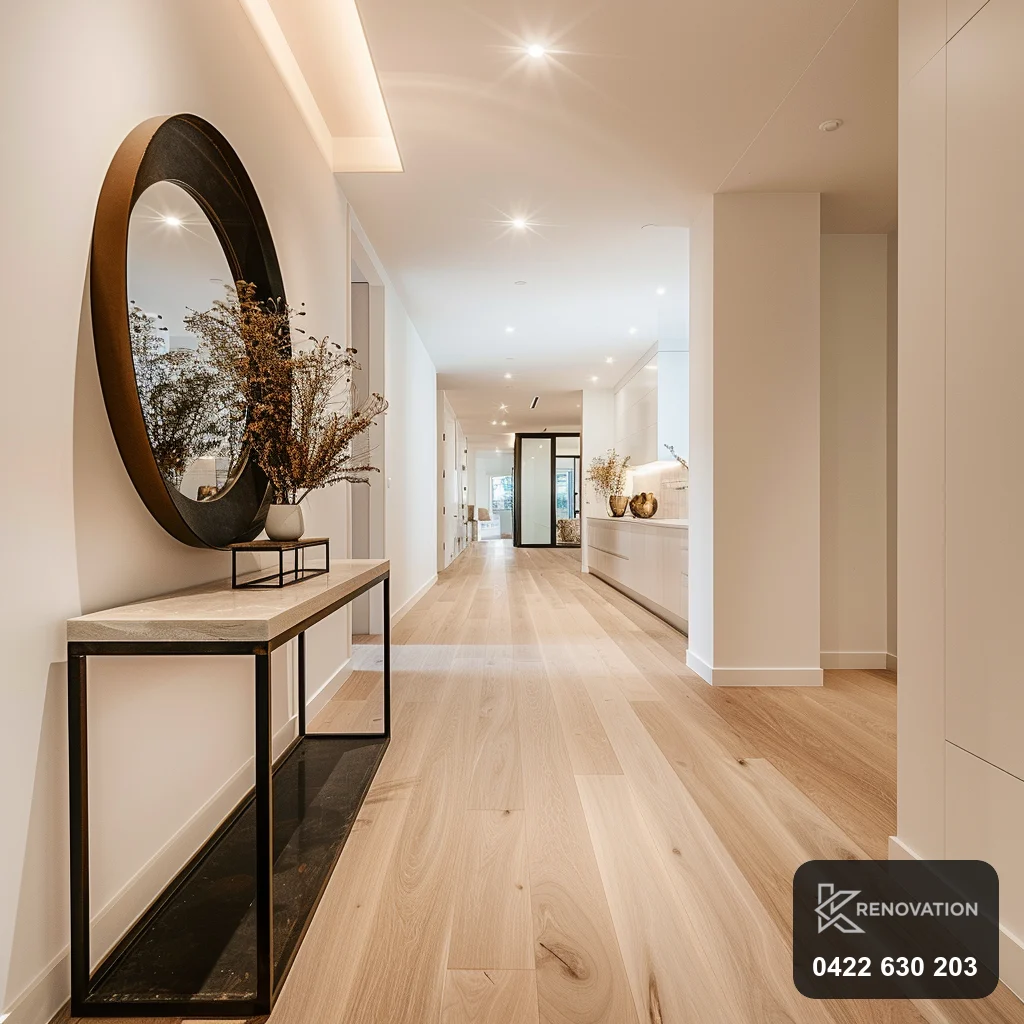
Renovate in one coordinated build
Doing the home in one planned project — rather than a room at a time over years — avoids re-doing work, mismatched finishes and repeated trade call-out costs.
Insist on a fixed written quote
Open-ended or cost-plus pricing is where budgets blow out. A clear, itemised fixed quote lets you compare honestly and protects you from creeping costs mid-build.
Renovation cost questions, answered plainly
How much does a home renovation cost in Melbourne’s west?
What is the cheapest way to renovate a whole home?
How long does a full home renovation take?
Is it cheaper to renovate or knock down and rebuild?
Do I need council approval for my renovation?
How do I get an accurate quote for my renovation?
Home renovations across Melbourne’s west
We design, build and manage home renovations right across the inner west, the bayside and the Wyndham corridor. See local pricing, photos and detail for your area:
Let’s price your renovation
Honest brackets, a fixed written quote and one accountable local team from first sketch to final clean. Tell us about your home and we will give you a real number — not a guess.