
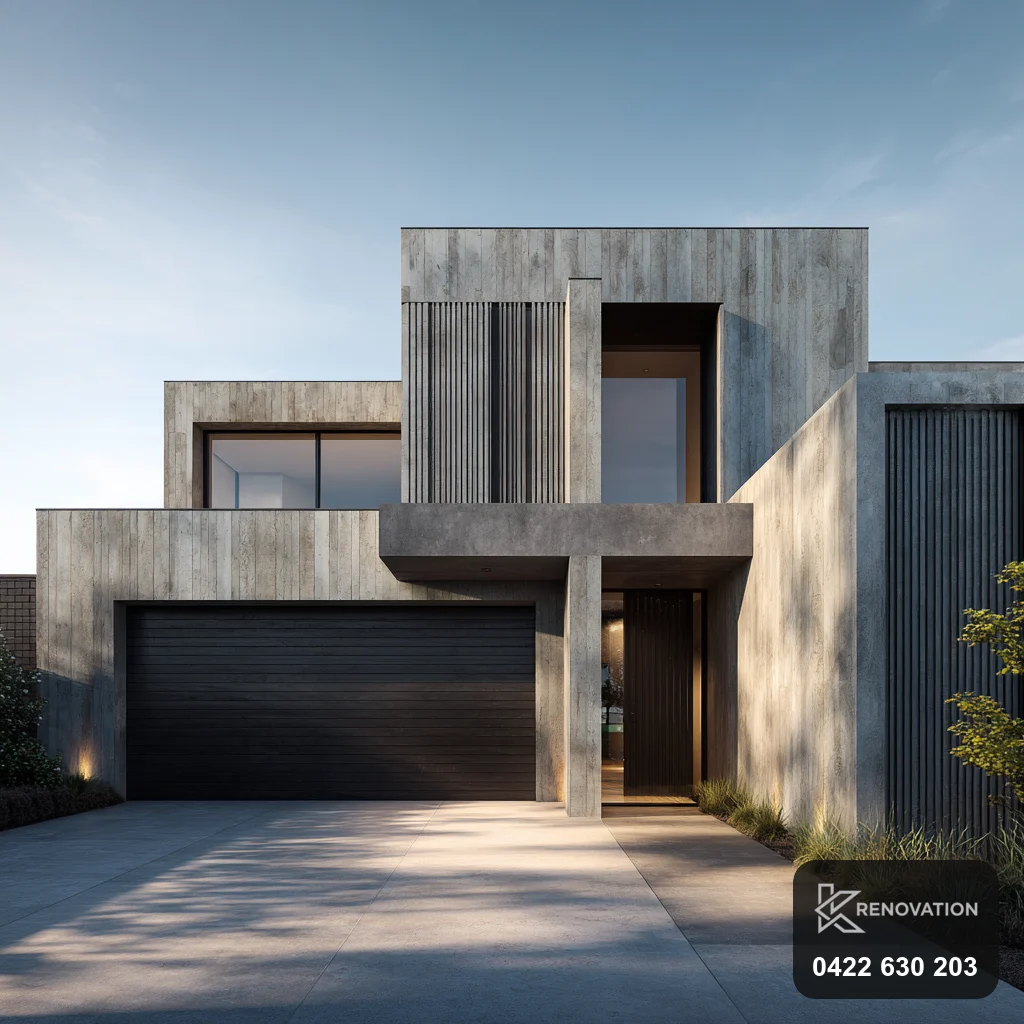
Home Extensions in Melbourne’s West: Costs, Types & Ideas
Running out of room but love where you live? Here is what it really costs to extend in the west — going up versus out, where the money goes, and how to add space without overcapitalising.
The honest range: $60,000 to $350,000+
An extension is the one renovation that buys you something a refresh never can — actual extra floor space. Across Melbourne’s west, most home extensions land between $60,000 and $350,000, and where you sit depends almost entirely on whether you build out across the yard or up over the existing home.
As a rough guide, a quality extension runs around $2,800 to $4,500 per square metre. A single-room ground-floor addition often lands between $60,000 and $140,000, while a full second-storey addition — with a new staircase, bedrooms and a bathroom — usually starts around $200,000 and climbs with the size of the new floor.
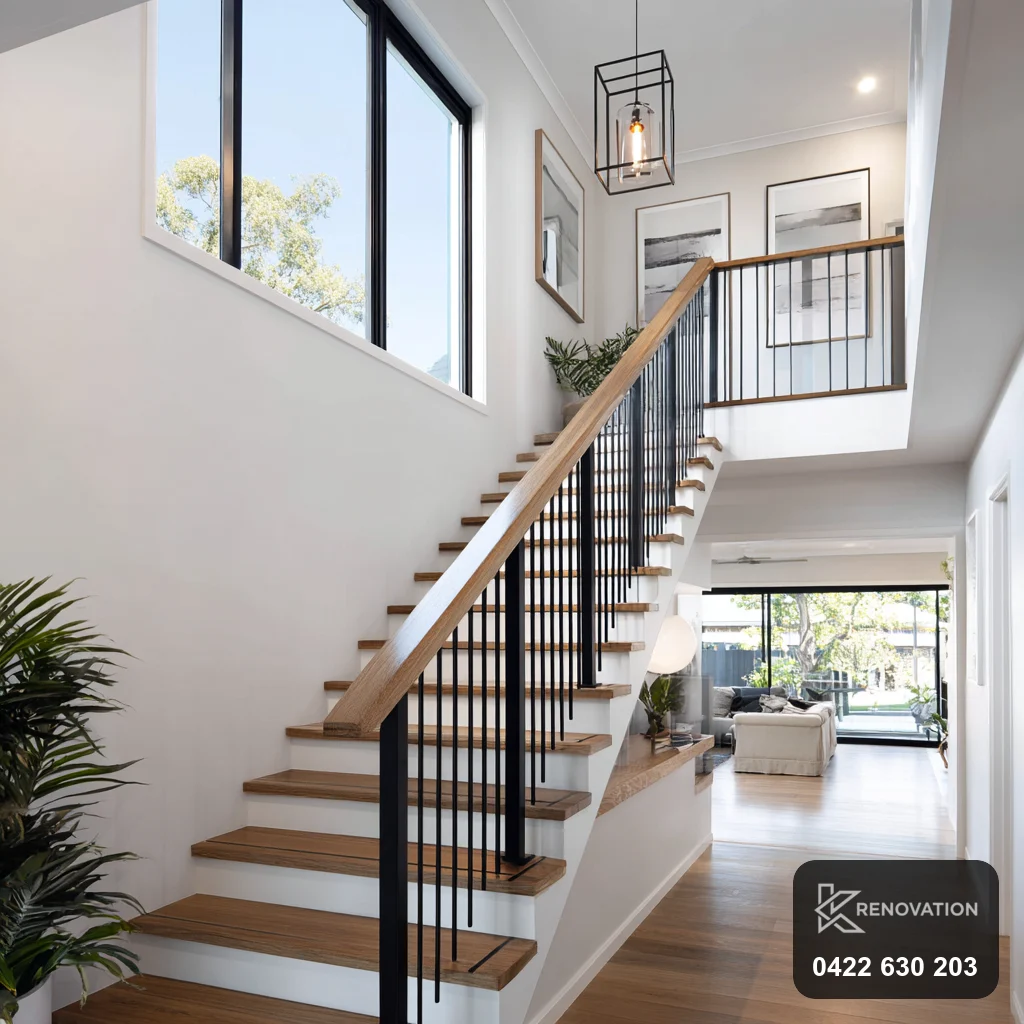
The reason extensions cost more per square metre than a cosmetic reno is simple: you are building new structure from the ground (or roof) up — foundations or steel, framing, roofing, services and weatherproofing — before a single finish goes on. Get the structure right and everything above it lasts.
Most western-suburbs families who extend rather than move spend around $160,000 — and skip the stamp duty entirely.
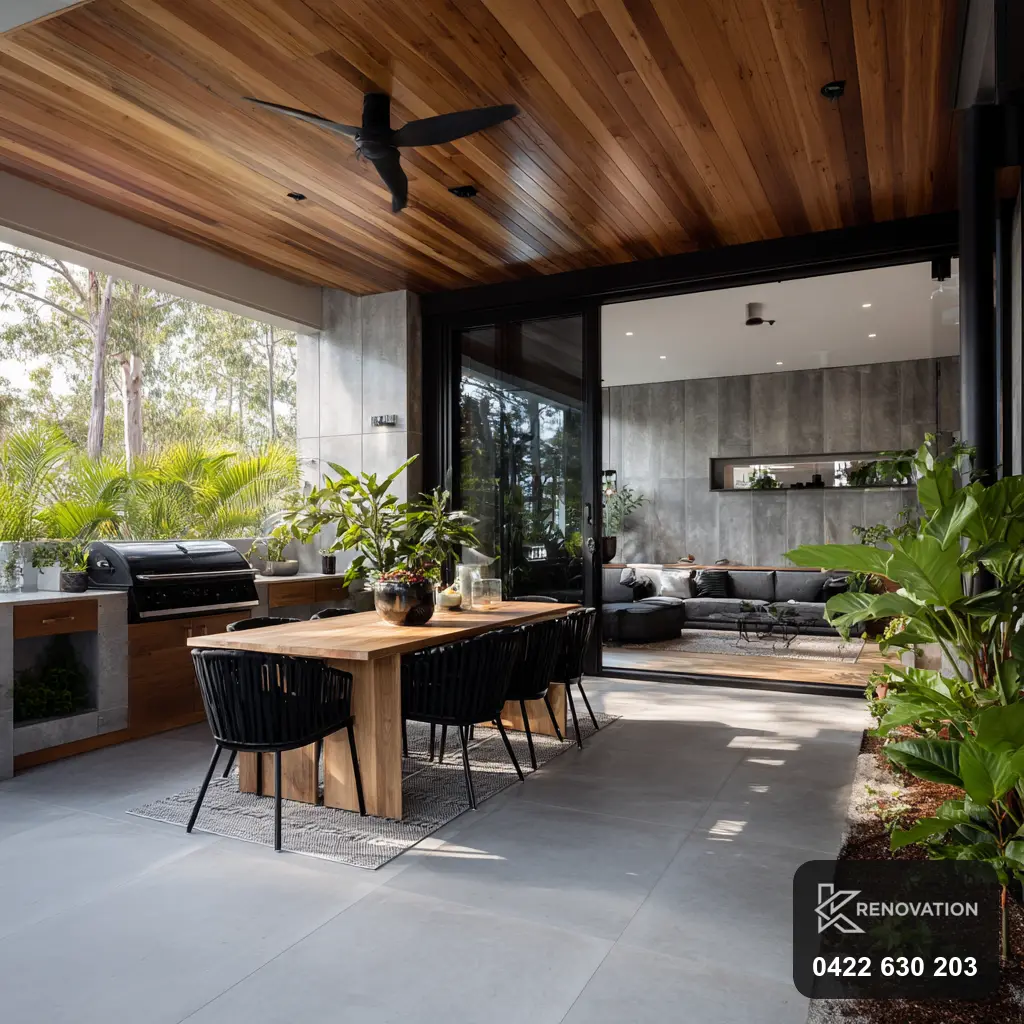
Out, up or behind — the three ways to extend
Almost every extension we build is one of three types. Which one suits you comes down to your block size, your budget and how much disruption you can live with. Here is what each one buys, and the kind of home it works best on.
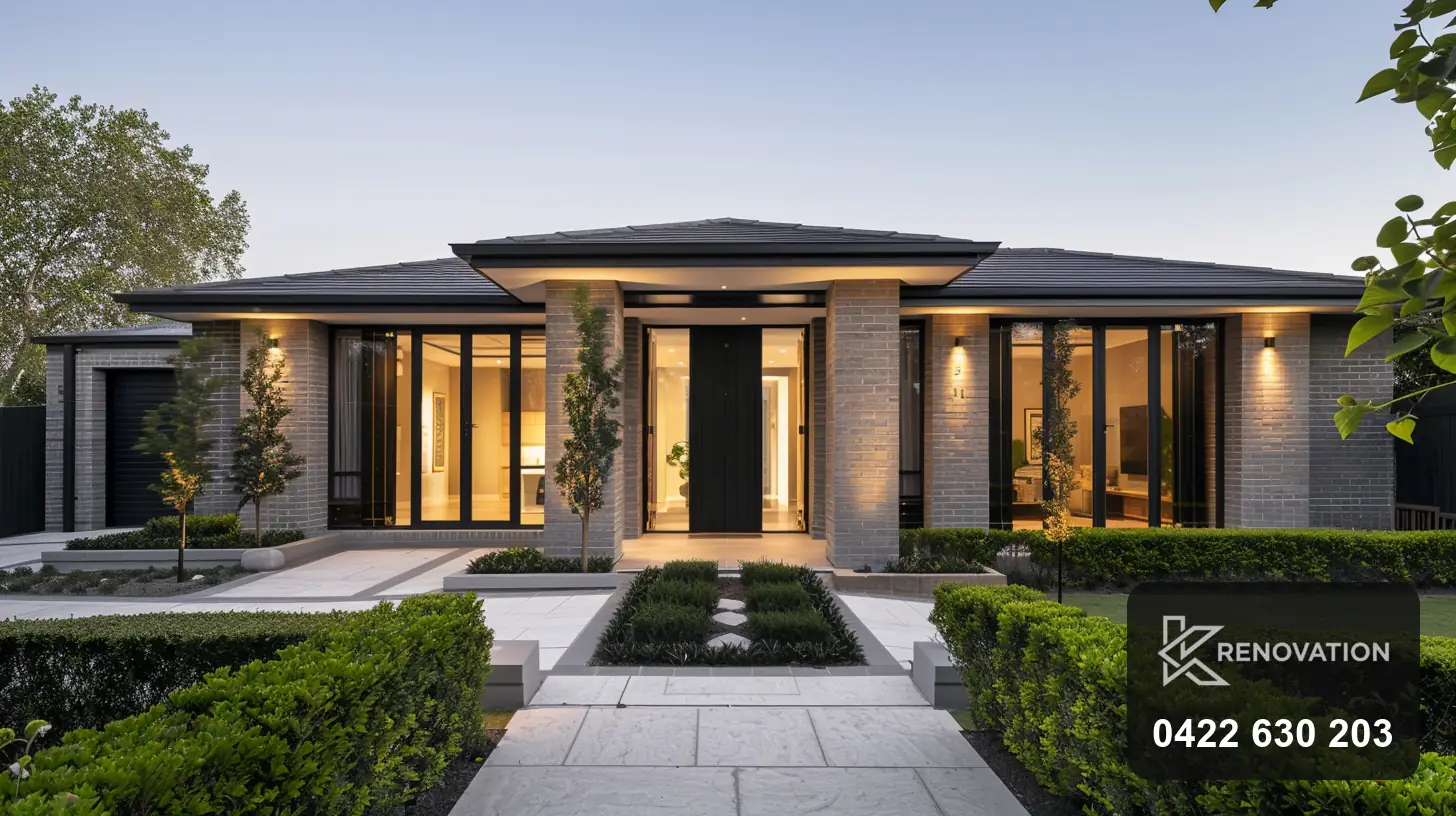
The simplest and often best-value way to add space if your block allows it. A new open-plan living zone, a bigger kitchen or a ground-floor master suite that flows straight out to the garden — no staircase, no working over your head.
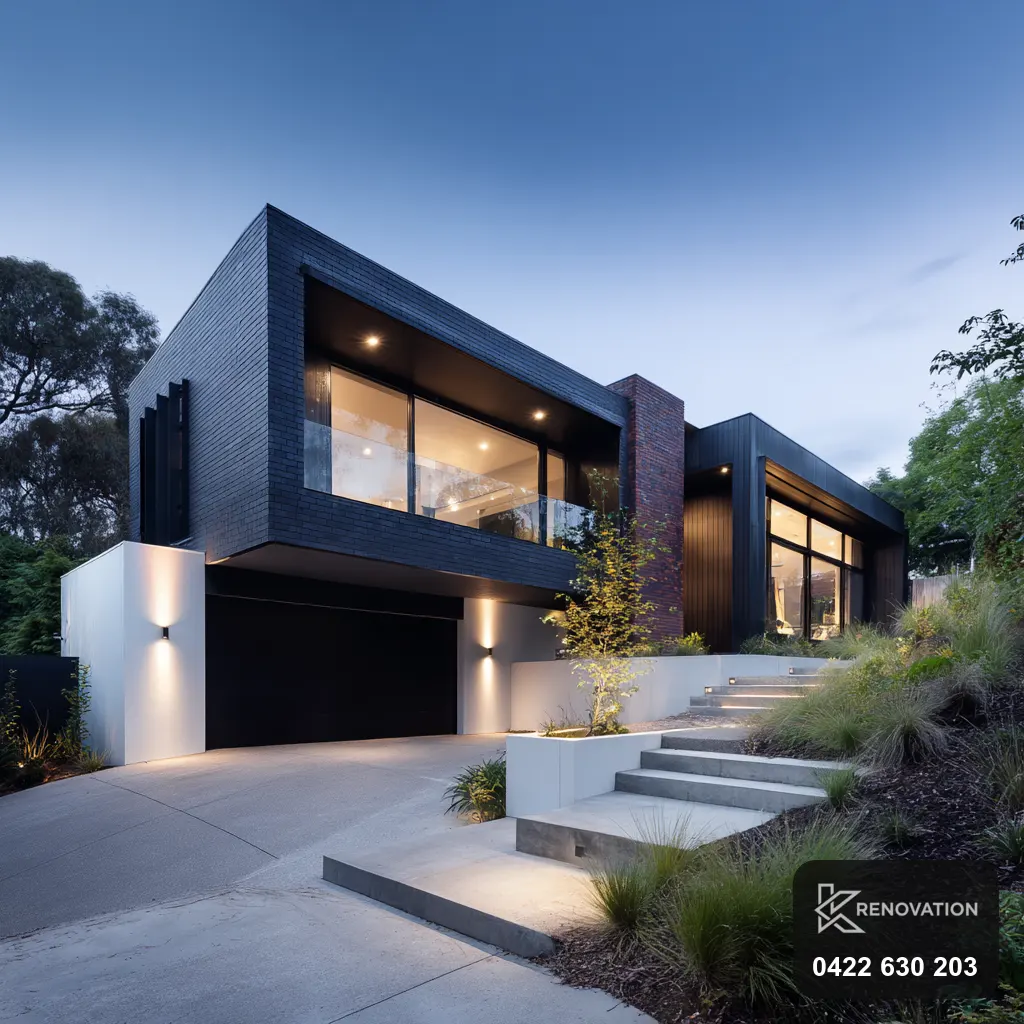
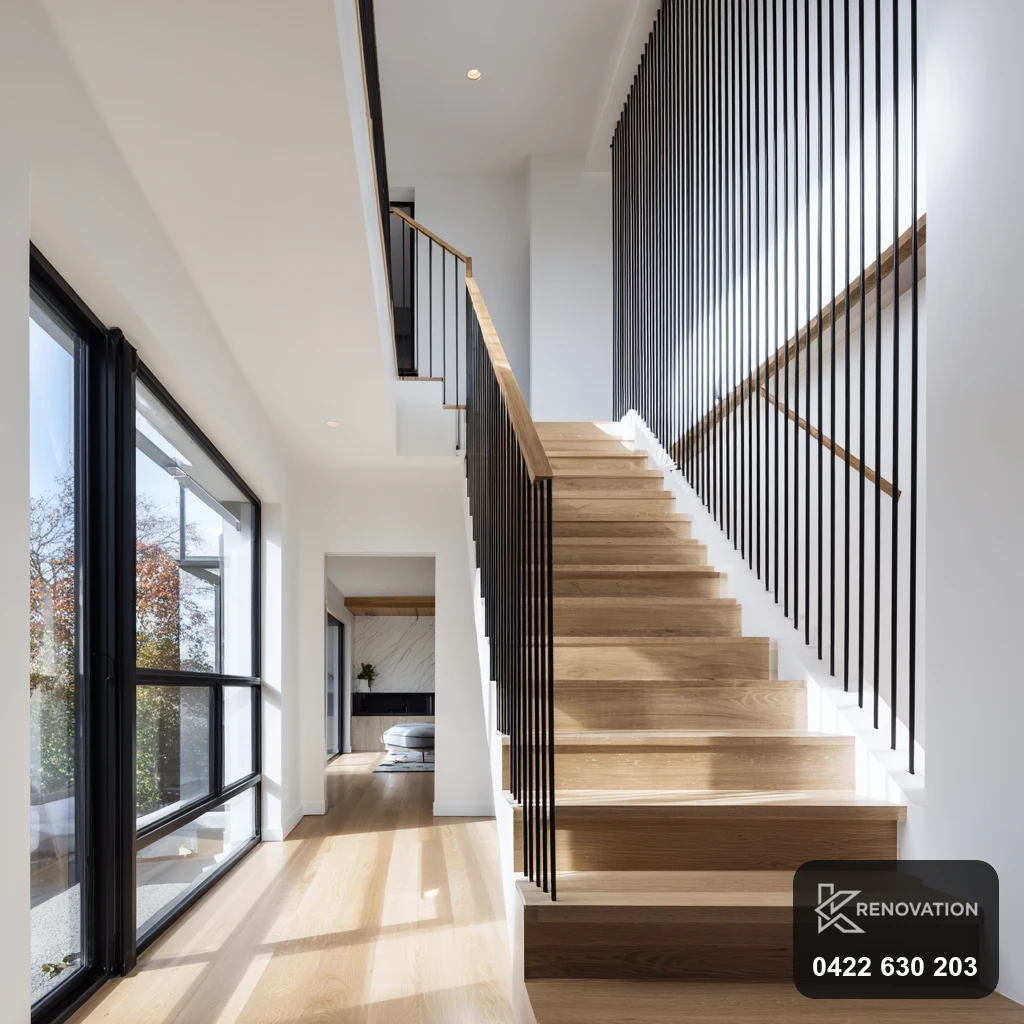
The answer when the block is tight but the family is growing. A new upper floor adds bedrooms, a bathroom and often a retreat — keeping the entire backyard. It is the bigger build, with a new staircase, structural upgrades and a re-clad facade.
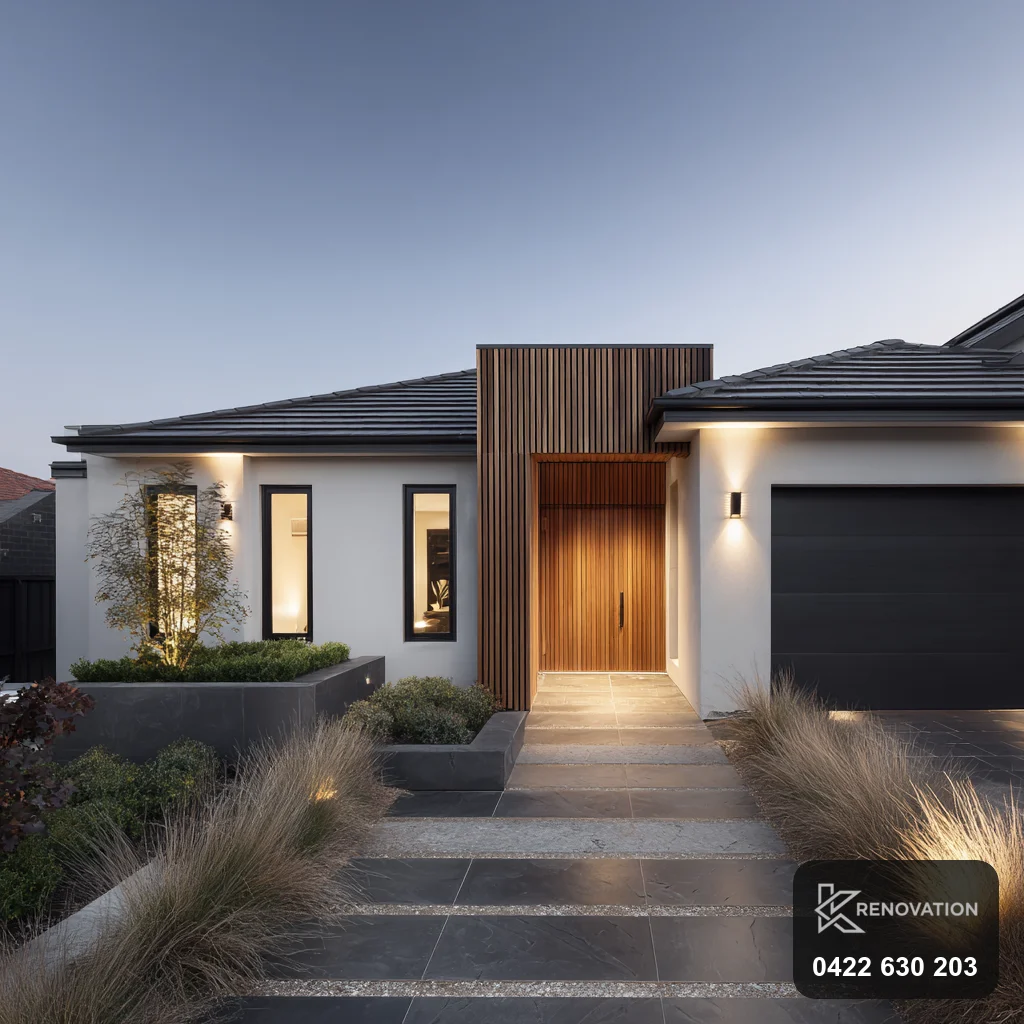
Perfect for older homes with a long, narrow footprint. A rear or side-return extension captures dead side space and opens the back of the home into a light-filled kitchen and living zone, while keeping the period frontage intact.
The honest rule of thumb: building out is usually cheaper per square metre than building up, because going up means structural upgrades to carry the new load. But if your block is small, up is often the only way to get real space without losing the yard.
The six levers that decide your extension cost
Two extensions of the same size can be tens of thousands apart. Almost all of that gap comes down to six choices. Understand these and you can steer the budget instead of being surprised by the quote.
- Size of the new floor. Extensions are priced largely per square metre, so the footprint of the new space is the single biggest driver of the total.
- Up versus out. Going up means upgrading the existing structure to carry a new floor — steel, footings and bracing — which adds cost a ground-floor addition avoids.
- Structural and engineering work. Removing load-bearing walls, new beams and footings all need an engineer and certified work. It is invisible when finished, but it is what keeps the home standing.
- Services to the new space. Running plumbing, electrical and heating to a new floor or wing — and upgrading the existing switchboard or hot water — adds up, especially in older homes.
- Finish level. The new rooms can be builder-grade or designer. The surfaces and joinery you choose move the number as much in an extension as in any renovation.
- Site access and conditions. A tight block, difficult access for machinery, or sloping ground all add to siteworks before the build even starts.
A $160,000 extension, broken down
An extension spends very differently to a cosmetic reno — far more of the budget goes into structure and the building envelope, because you are creating brand-new, weatherproof space. Here is roughly how a typical extension splits.
Notice that over half the budget is structure and the building envelope. That is the trade-off with an extension — you pay more for new space than for re-finishing old, but you end up with a home that genuinely lives bigger.
The detail that makes an extension feel right
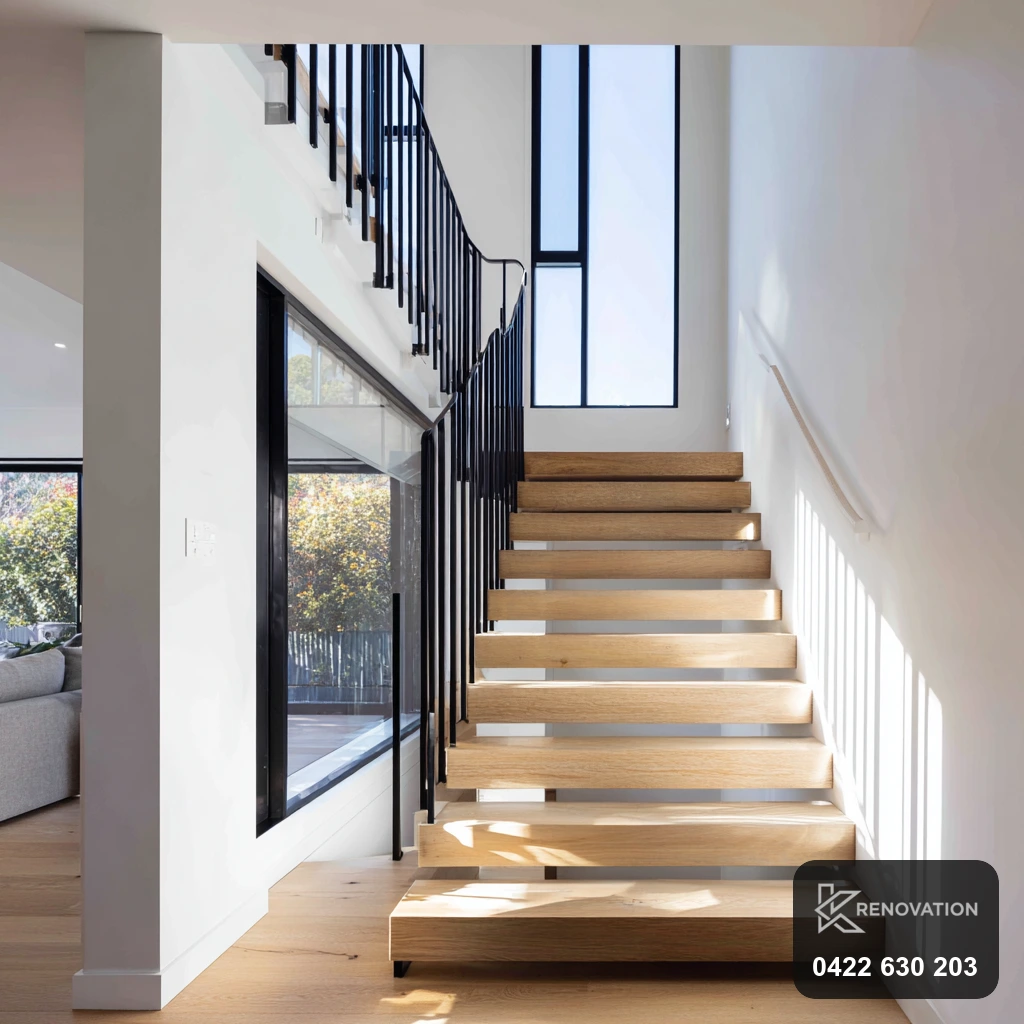
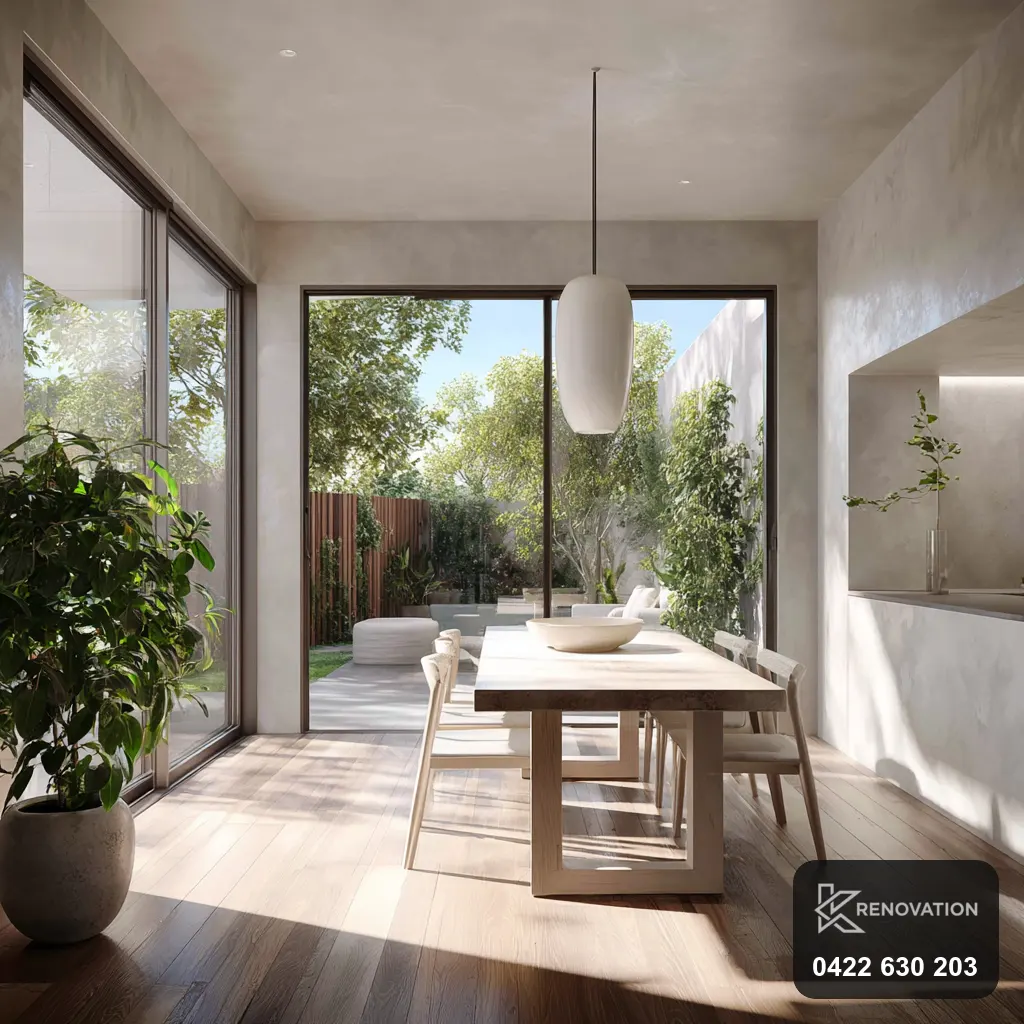
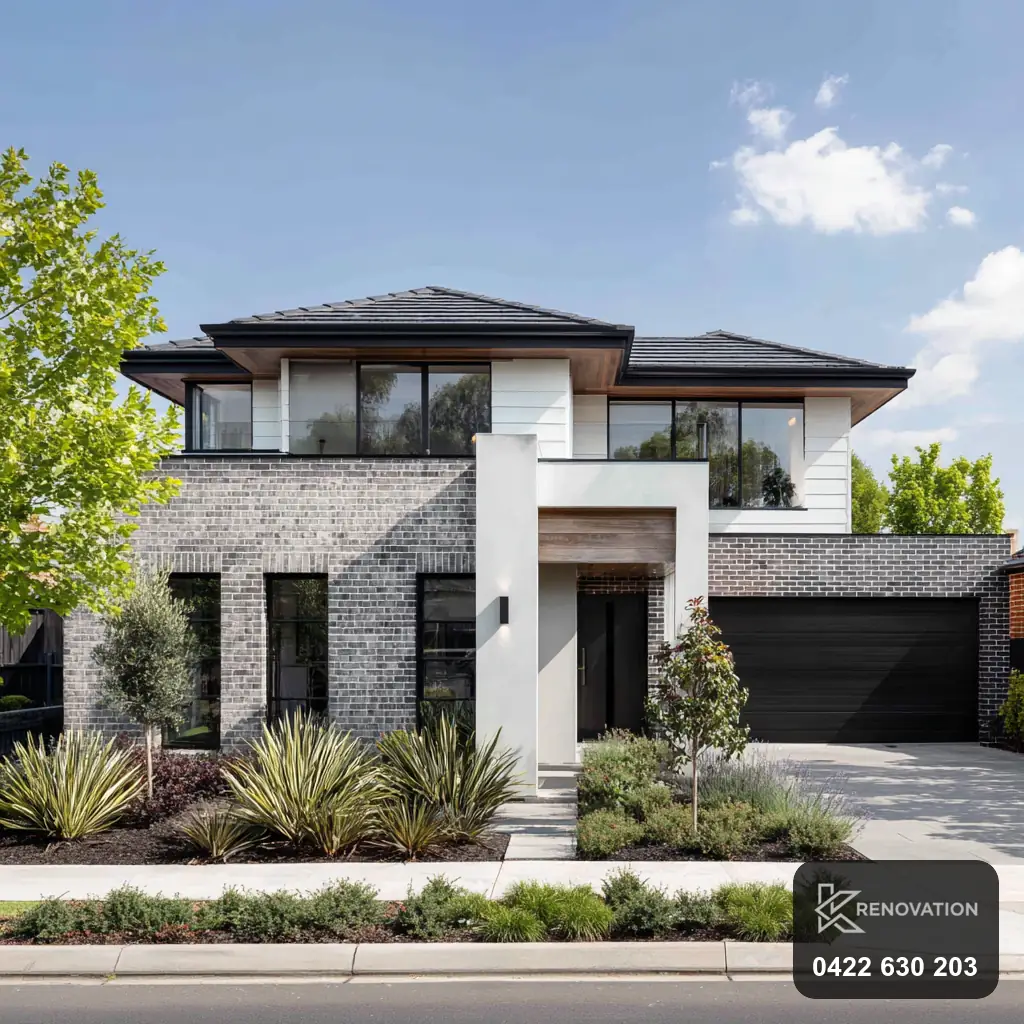
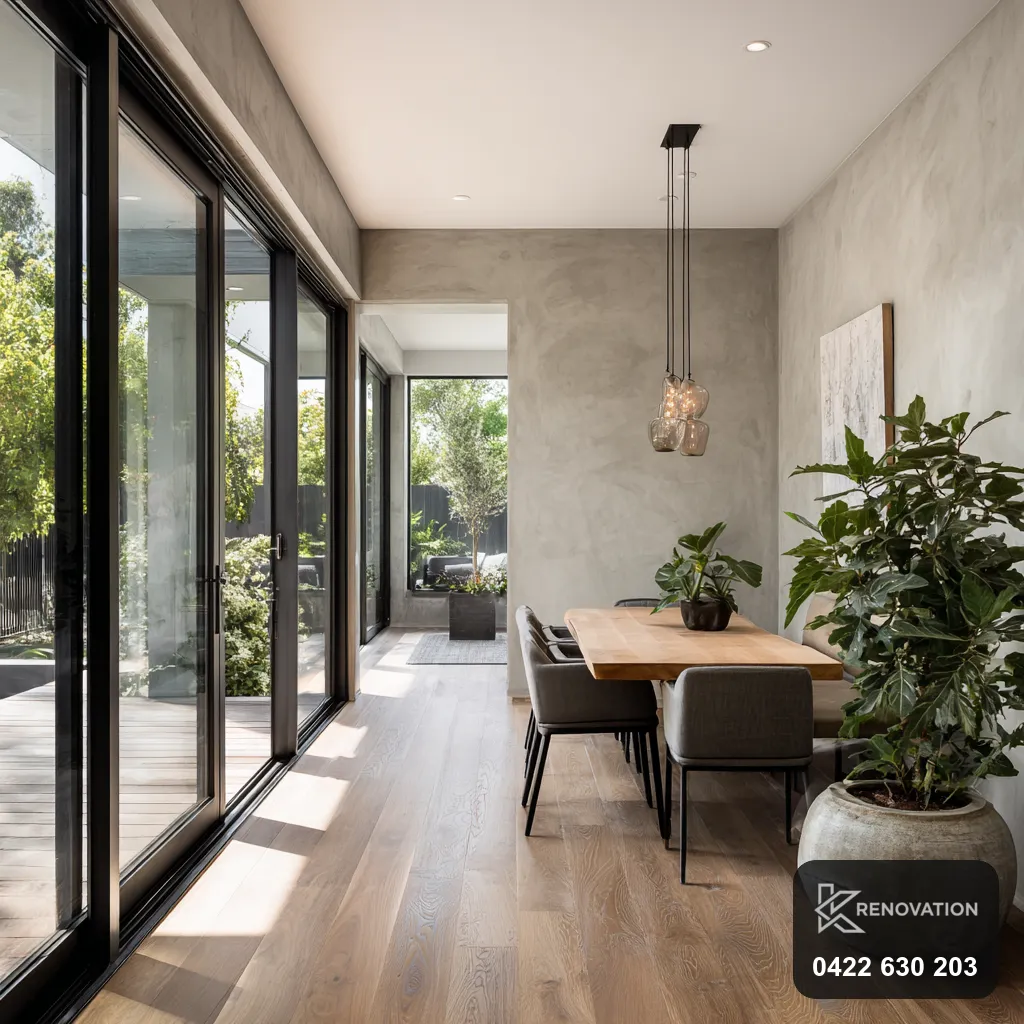
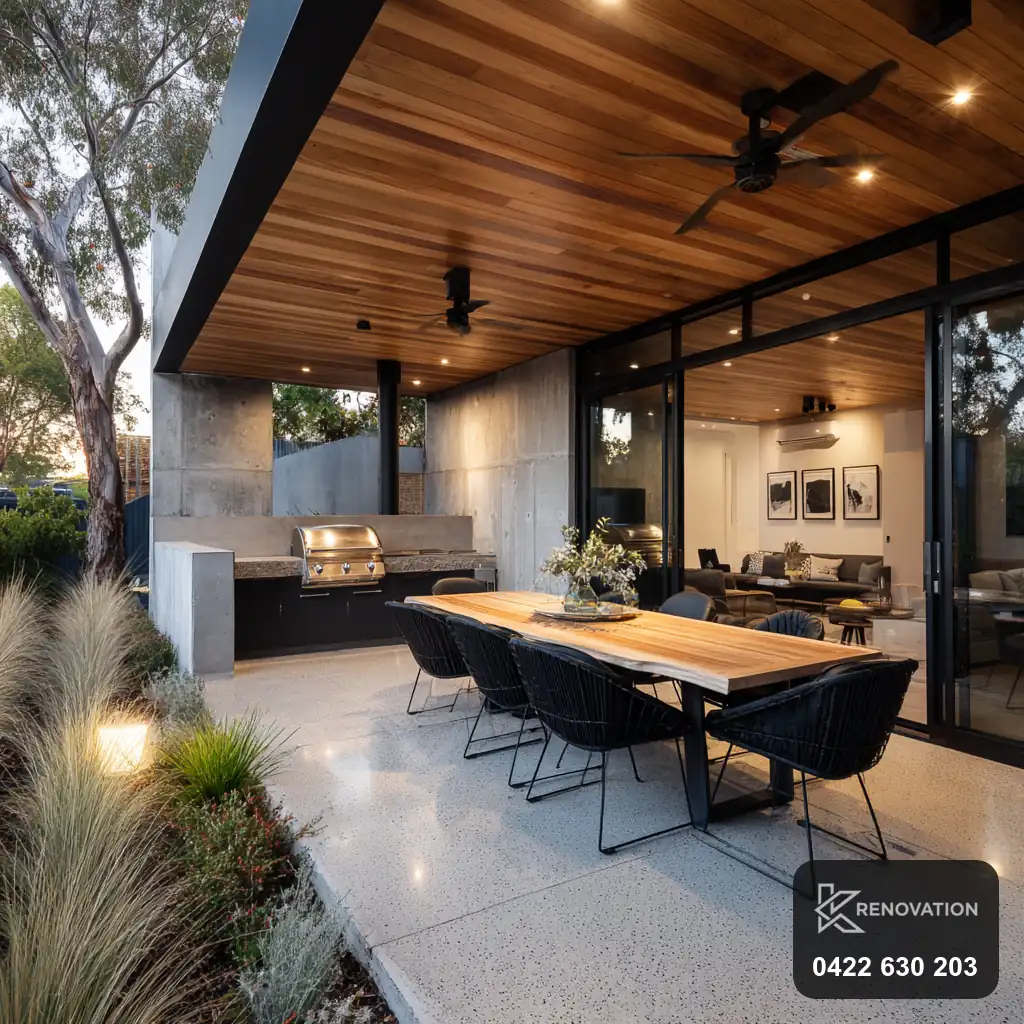
The mark of a great extension is that you cannot tell where the old home ends and the new one begins. That comes from matching ceiling heights, carrying the same flooring through, and connecting the new space to the outdoors — an alfresco, big glazing, a void that pulls light deep into the plan.
It is also where the value sits at resale: buyers pay for a home that flows, not for square metres bolted on the back. Spend the design time getting the connection right and the whole house feels bigger than the floor plan says.
Build up or build out? The honest comparison
It is the first big decision of any extension, and the right answer depends on your block as much as your budget. Here is how the two stack up for a typical western-suburbs home.
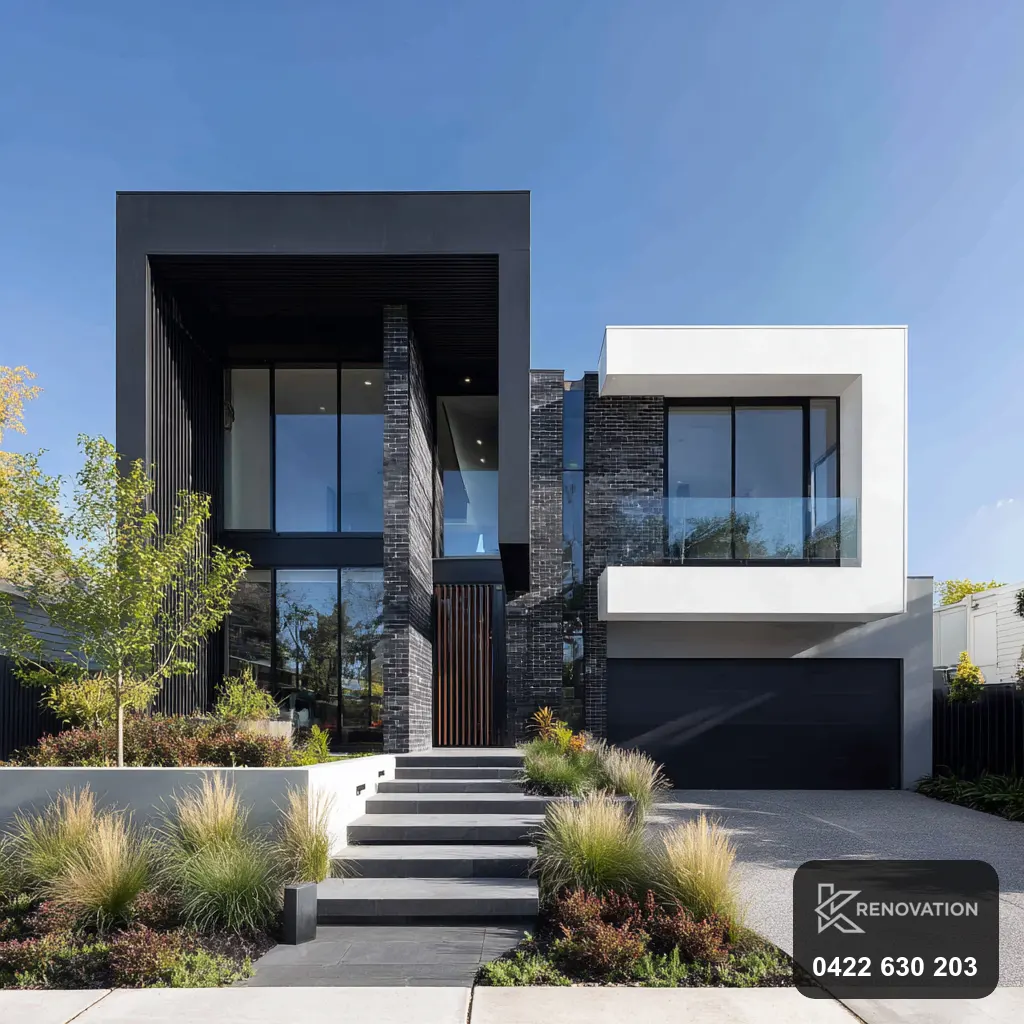
Build Out · Ground-Floor
Usually cheaper, simpler, faster
- Lower cost per square metre — no structural upgrade overhead
- No staircase to lose floor space to
- Often simpler approvals and a quicker build
- Needs the block to spare — you give up some yard
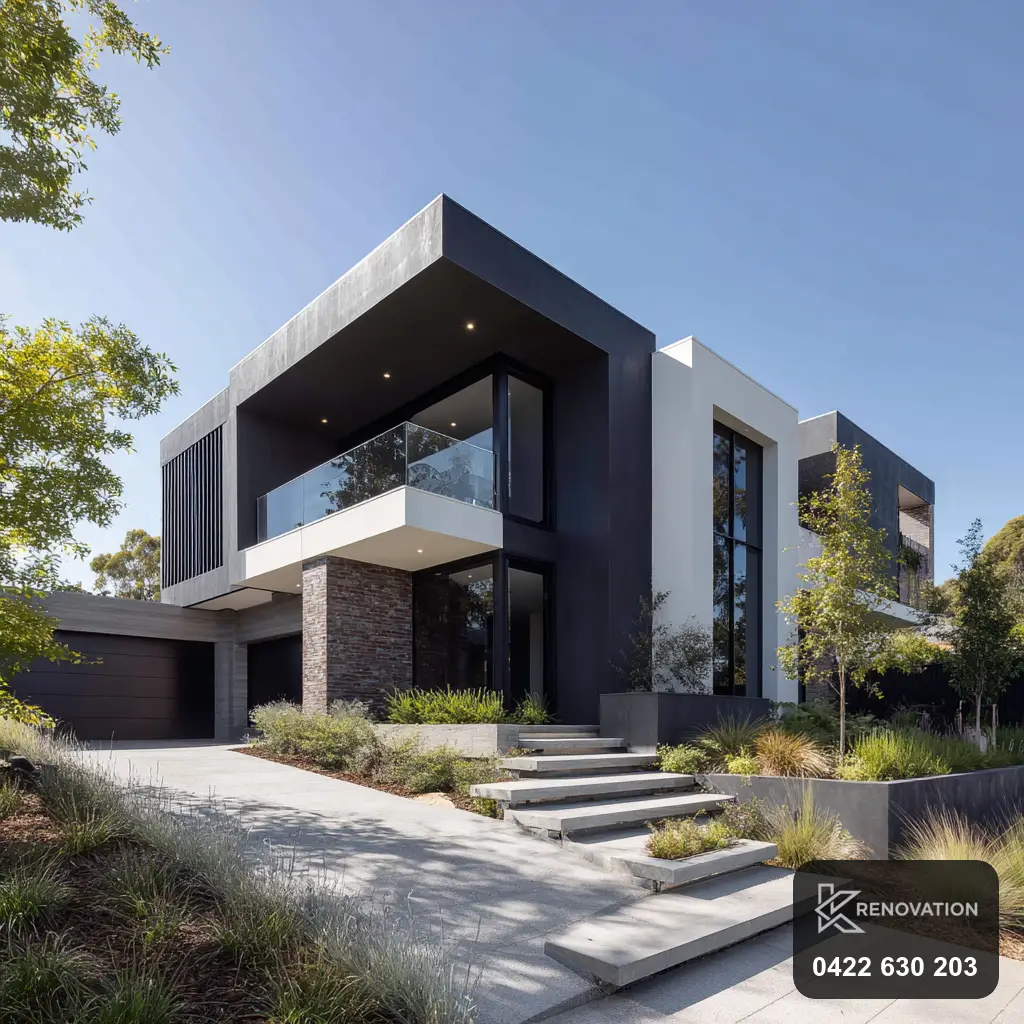
Build Up · Second-Storey
More space, keep the yard
- Adds a whole floor without touching the backyard
- Best when the block is small or already built out
- Higher cost — structural upgrades carry the new load
- Bigger build, often with time living elsewhere
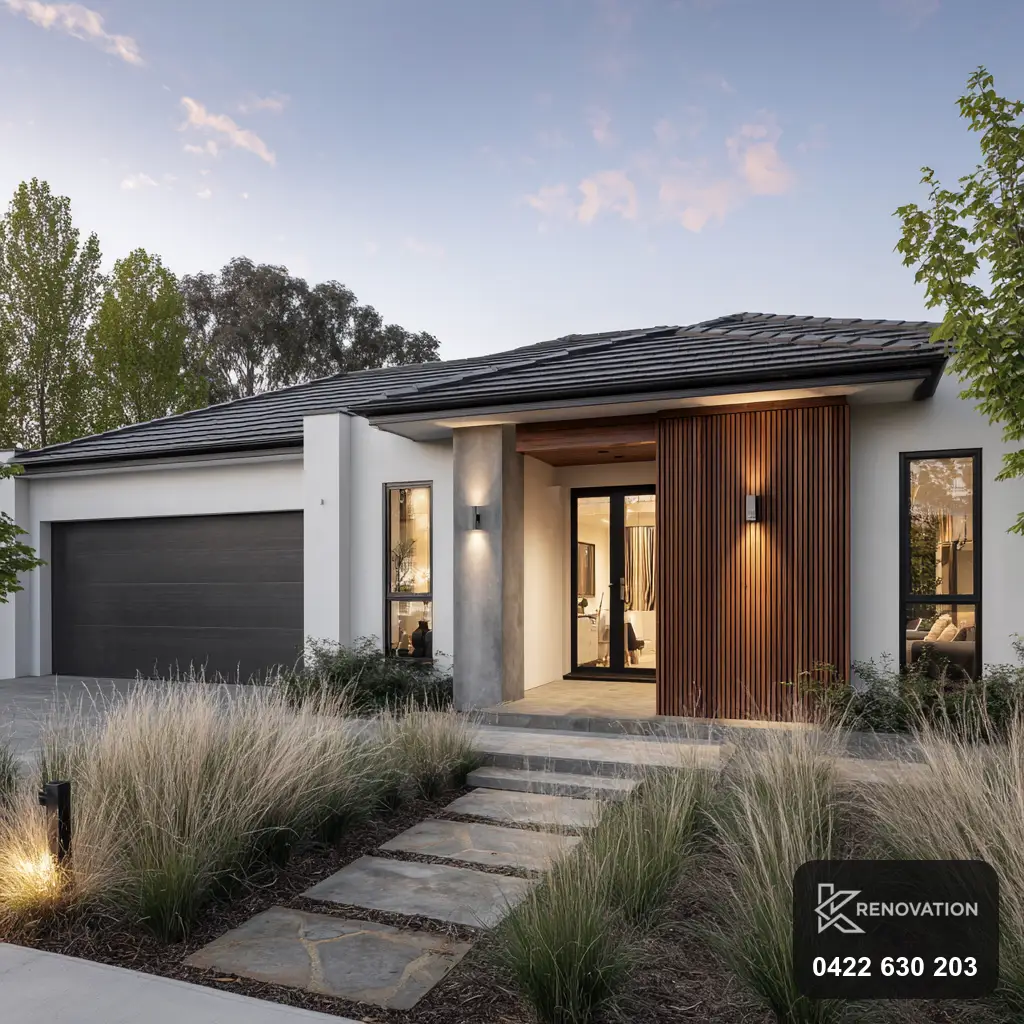
Wondering if your home can extend?
Whether up or out is right for your block is a question we answer best on site. Book a free consultation and we will tell you honestly what is possible — and give you a fixed written quote so there are no surprises later.
Four ways to extend without overcapitalising
An extension is the renovation where it is easiest to overspend — and easiest to add real value if you are smart. These four moves keep the budget honest and the result worth more than it cost.
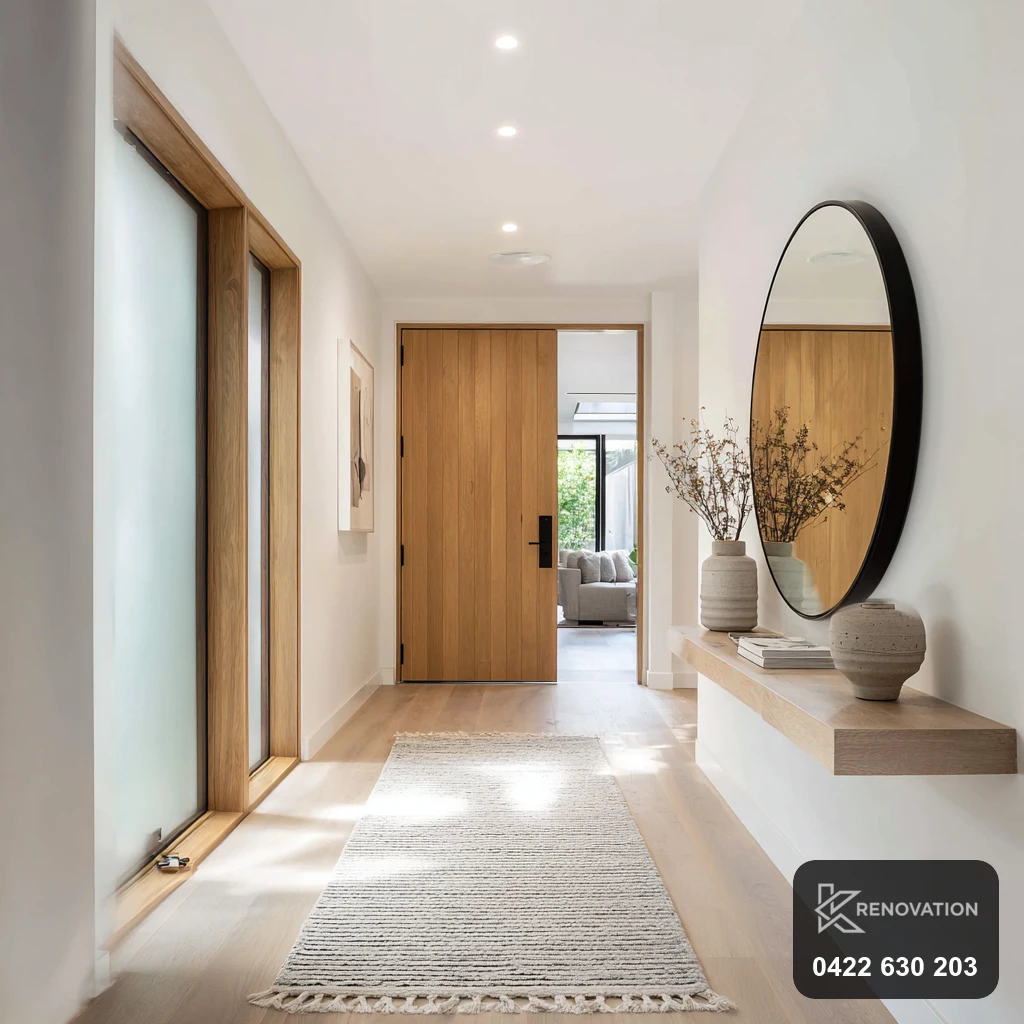
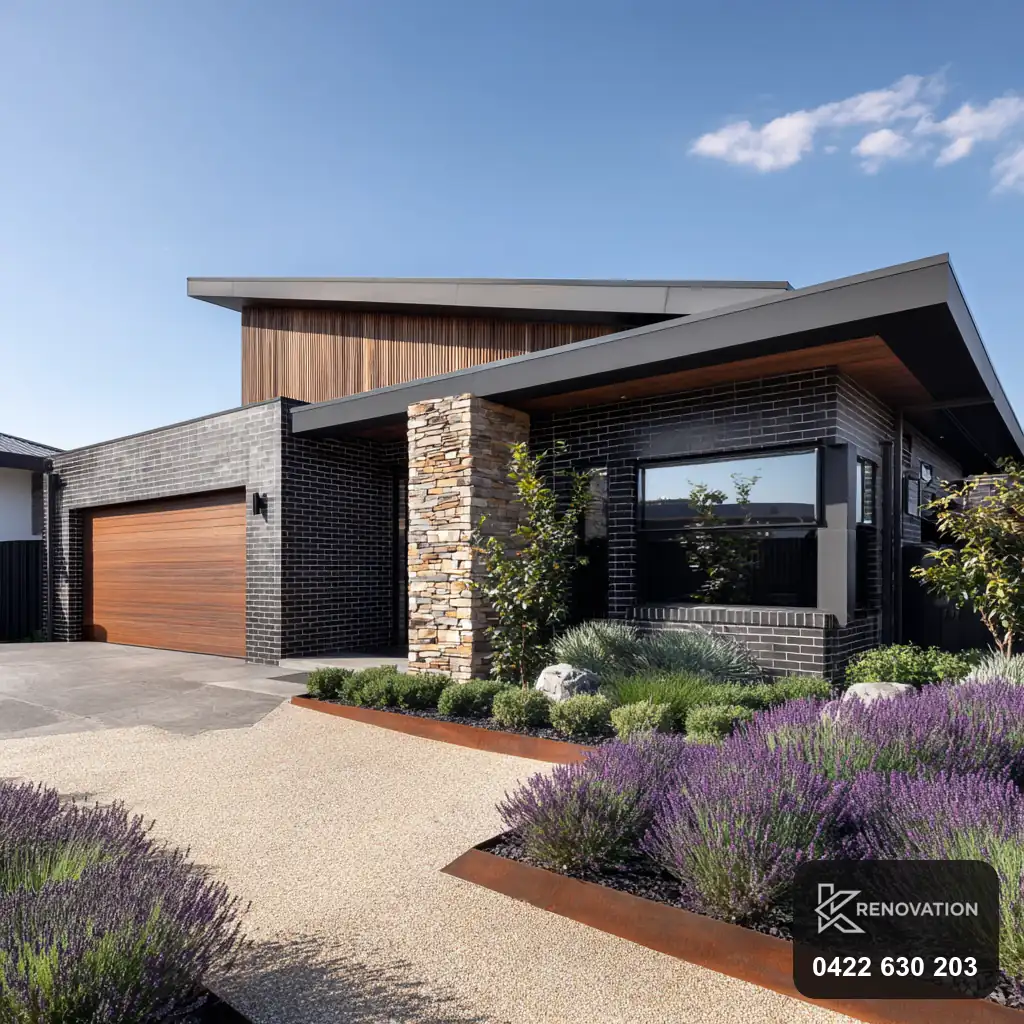
Match new to old
Carry the same flooring, ceiling height and trims through the join. A seamless transition is what makes an extension feel like part of the home, not bolted on the back.
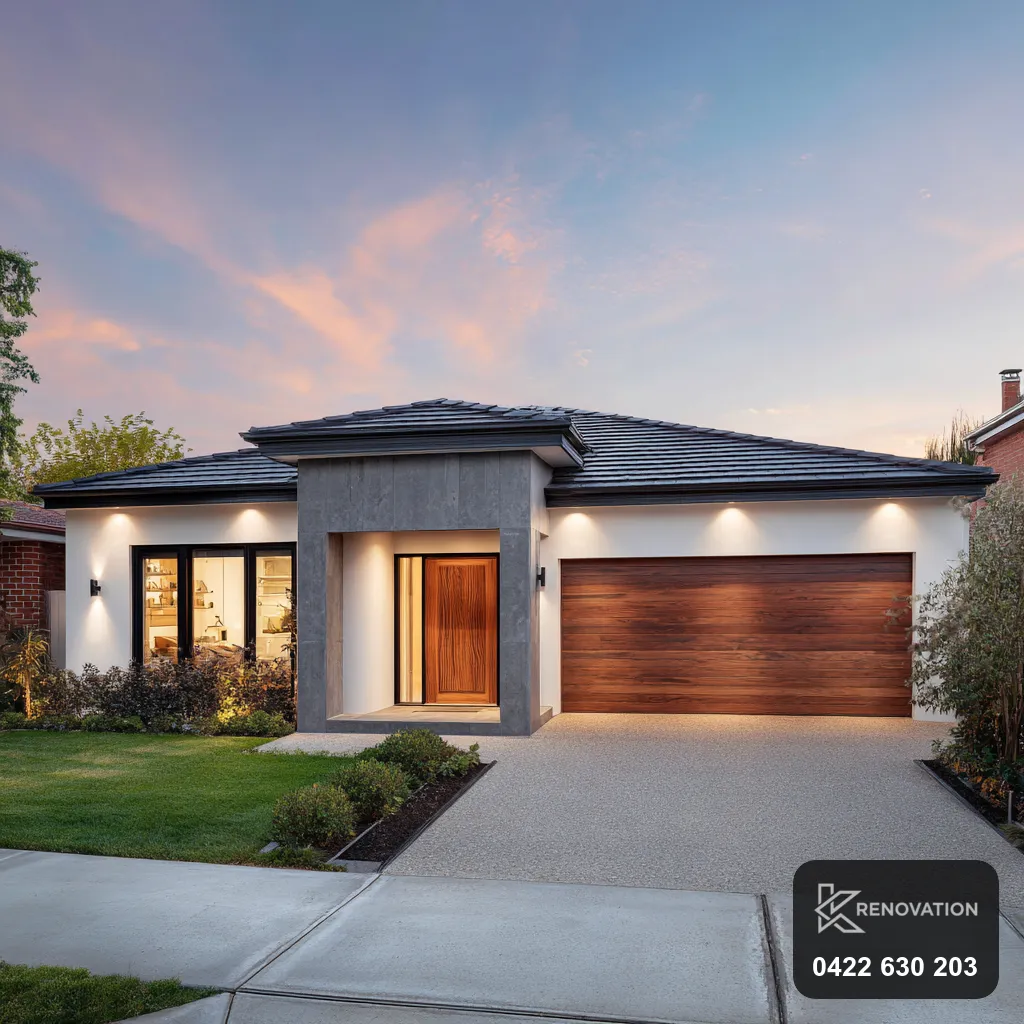
Build out before you build up
If the block allows it, a ground-floor addition gives you more space per dollar than going up. Reserve the second storey for tight blocks where up is the only way.
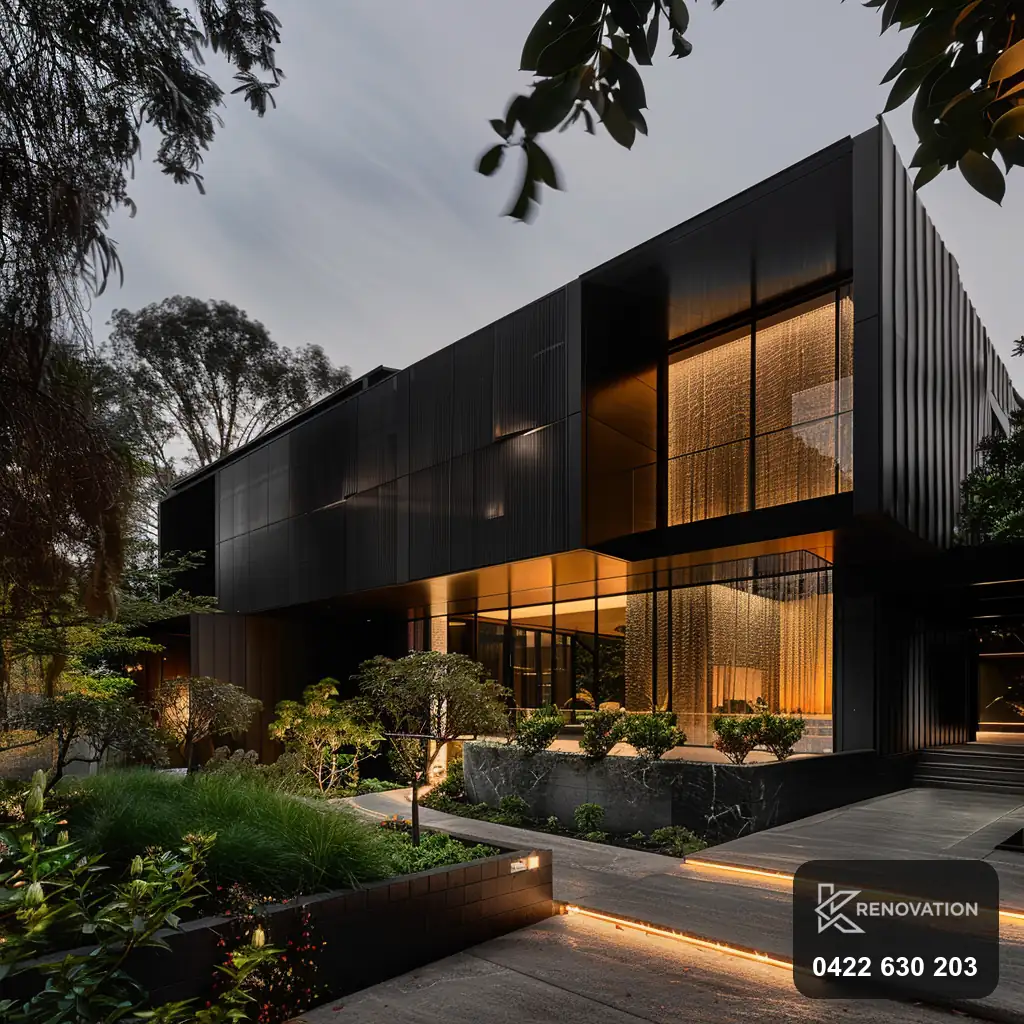
Mind the local ceiling price
There is a price beyond which a suburb will not pay. Extend to suit your family and the street — not so far past it that you cannot get the money back at resale.
Get one team for design and build
Splitting design and construction is where extensions blow out. One accountable team from plans to handover keeps the structure, services and budget aligned the whole way.
Home extension questions, answered plainly
How much does a home extension cost in Melbourne’s west?
Is it cheaper to build up or build out?
Do I need a planning permit for an extension?
How long does a home extension take?
Can I stay living in the house during the build?
How do I get an accurate extension quote?
Home extensions across Melbourne’s west
We design, build and manage extensions right across the inner west, the bayside and the Wyndham corridor. See local detail, pricing and photos for your area:
Not sure where to start? Our guide to home renovation costs breaks down the full picture, room by room.
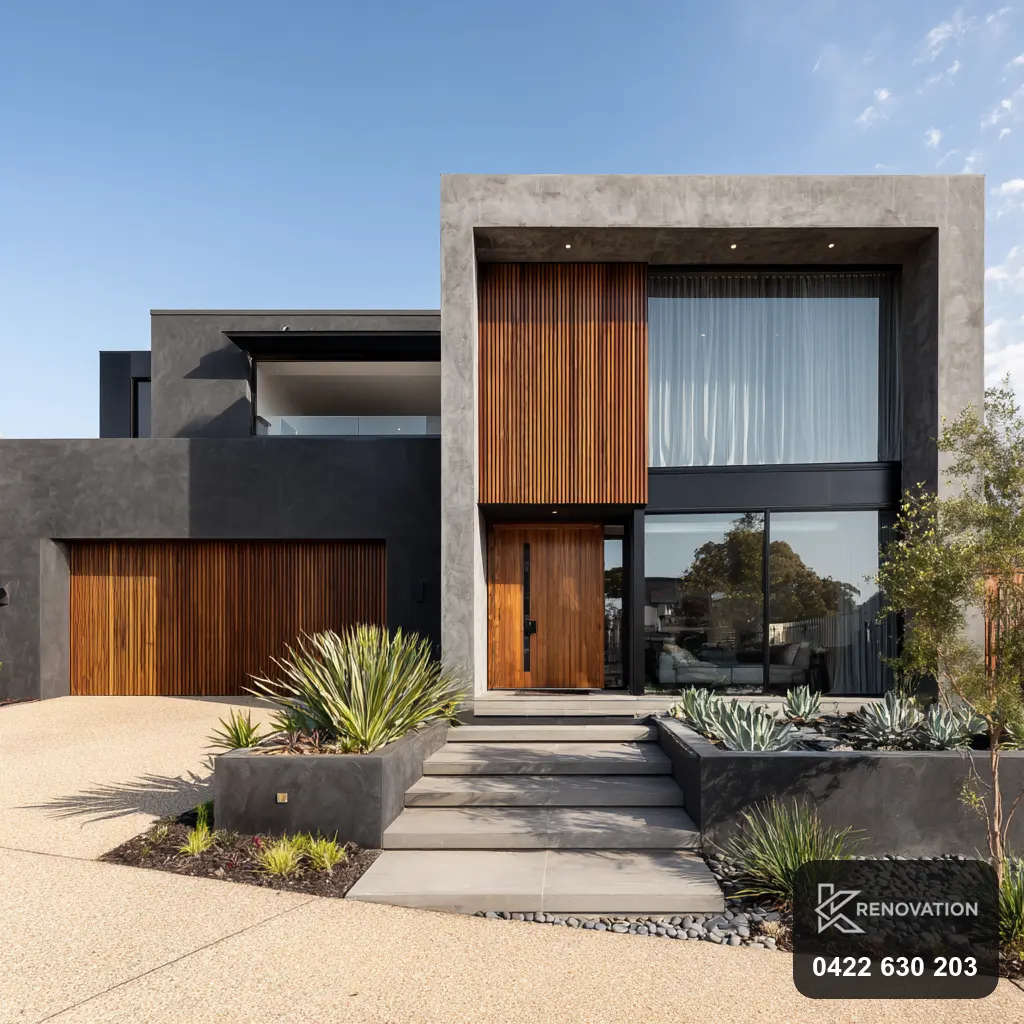
Let’s design your extension
More room, kept where you love living. One accountable local team from first sketch to final clean, a fixed written quote and a 10-year workmanship warranty. Tell us what you need and we will tell you what is possible.